Hardware & PCB design
PCB, enclosure, connectors, antenna and power design are reviewed against the installation and operating requirements.

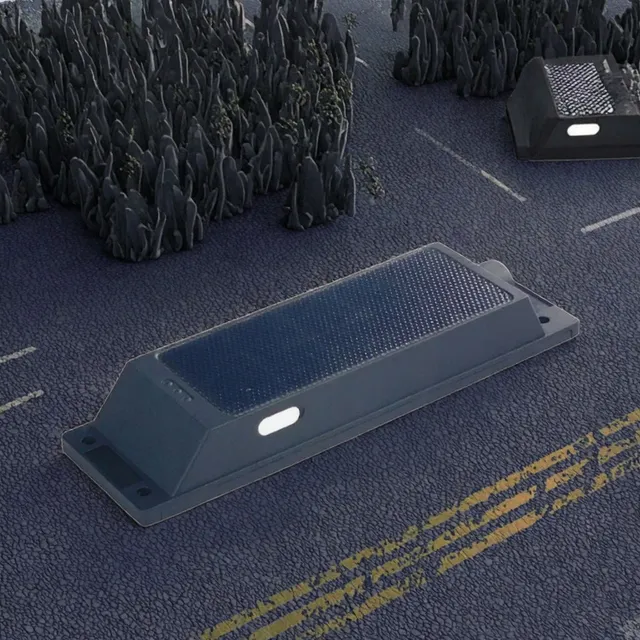
A rugged 4G GPS tracking device designed for shipping containers, cargo, trailers and high-value logistics assets. It combines GNSS positioning, cellular communication, low-power operation, movement detection, geofencing and remote device management for long-distance cargo monitoring.
Final pricing depends on configuration, quantity, taxes and shipping.
Sample availability, quantity and lead time depend on the selected model. Confirm the pilot scope before placing a production order.
A Shipping Container GPS Tracker is designed to provide independent location monitoring for containers, cargo, trailers and other valuable logistics assets.
Unlike traditional container tracking systems that rely primarily on container numbers, shipping line databases or port events, a physical GPS tracking device travels together with the asset.
The basic tracking process is:
Shipping Container → GPS/BeiDou Positioning → 4G Network → Cloud Server → Web/App Tracking Platform
This allows logistics companies, cargo owners and asset operators to monitor the physical location and movement of their equipment.
Shipping containers may remain in transportation, ports or storage yards for weeks or months.
For this reason, power consumption is a critical part of container GPS tracker design.
The device can use:
Deep Sleep → Motion Detection → Wake Up → GNSS Positioning → Data Upload → Return to Sleep
Different reporting strategies can be configured according to project requirements.
For high-value cargo, more frequent tracking can be used.
For long-term container monitoring, the reporting interval can be reduced to improve battery life.
The tracker can use 4G cellular communication to transmit location and device-status information to the server.
Typical uploaded information can include:
Location
Positioning Time
Battery Level
Movement Status
Network Status
Geofence Events
Alarm Information
Historical Route Data
Cellular frequency bands should be selected according to the deployment country and region.
An integrated accelerometer can detect whether the container is moving.
When the container remains stationary for a long period, the tracker can enter low-power sleep mode.
When movement is detected, the device can automatically wake, obtain a GNSS position and upload the new location.
This is particularly useful for containers stored at ports, warehouses and logistics centers.
Virtual geofences can be created around important locations such as:
Ports
Warehouses
Factories
Distribution Centers
Customer Locations
Container Yards
Restricted Areas
The system can generate an event when a tracked container enters or leaves a defined area.
For security-sensitive cargo, additional sensors can be integrated.
Optional functions include:
Container Door Open Detection
Light Sensor
Tamper Alarm
Temperature Monitoring
Electronic Seal Integration
These functions can transform a standard GPS tracking device into a more comprehensive Container Security Tracking System.
Cellular communication is suitable when terrestrial networks are available.
For remote logistics and special transportation projects, the tracker can also be developed with:
GPS + 4G + Satellite Communication
Satellite connectivity can provide another communication option for remote areas or routes where cellular coverage is unavailable.
The device can connect to a Web, Android and iOS tracking platform.
Typical platform functions include:
Real-Time Location
Historical Route Playback
Geofence Management
Alarm Management
Battery Monitoring
Device Online/Offline Status
Movement Events
Device Management
Reports
API Integration
Enterprise customers can also integrate the tracker directly into their existing TMS, ERP, logistics platform or private server.
Different container tracking projects have different requirements.
WechatGPS can support customized development including:
Custom GPS Tracker PCB Design
4G Communication
Satellite Communication
LoRa Communication
Long-Life Battery Design
Solar Charging
Movement Sensors
Temperature Sensors
Door Sensors
Tamper Detection
Waterproof Enclosure Development
Embedded Firmware Development
Custom Communication Protocol
API Integration
Private Server Integration
White Label GPS Tracking Platform
Logo and Packaging Customization
From prototype development to mass production, the hardware and firmware can be customized according to the required transportation environment, communication network and battery-life target.
Whether the project involves international shipping containers, high-value cargo, trailers, container leasing or remote logistics assets, the tracking strategy should be designed around the actual operating environment.
A properly designed Shipping Container GPS Tracker combines GNSS positioning, low-power operation, reliable communication, movement detection and remote management to provide greater visibility throughout the transportation process.
For large-volume OEM/ODM projects, WechatGPS can develop customized container tracking hardware, firmware and platform integration according to project requirements.
WechatGPS Curated Premium GPS Trackers Selection
1、Electronic cargo seal tracking
Reference configurations are shown below. Final specifications are confirmed in the approved product specification.
| Product Name | Shipping Container GPS Tracker |
|---|---|
| Product Type | Container Tracking Device / Cargo GPS Tracker |
| Positioning | GPS / BeiDou / Multi-GNSS |
| Communication | 4G LTE |
| Optional Communication | LoRa / Satellite Communication |
| Backup Positioning | LBS / Wi-Fi Positioning Optional |
| Tracking Mode | Real-Time / Scheduled / Movement-Triggered |
| Movement Detection | Supported |
| Geofence | Supported |
| Route History | Supported |
| Low Battery Alarm | Supported |
| Movement Alarm | Supported |
| Tamper Detection | Optional |
| Door Detection | Optional |
| Temperature Monitoring | Optional |
| Light Sensor | Optional |
| Offline Data Storage | Optional |
| Remote Configuration | Supported |
| OTA Firmware Upgrade | Optional |
| Power Saving | Deep Sleep + Scheduled Wake-Up |
| Battery | High-Capacity Rechargeable Battery / Custom Battery Available |
| Solar Charging | Optional |
| Waterproof Level | IP67/IP68 Design Available According to Project Requirements |
| Installation | Magnetic / Screw / Bracket / Customized Mounting |
| Platform | Web / Android / iOS |
| API | Available |
| Private Server Integration | Available |
| Custom Communication Protocol | Available |
| OEM/ODM | Supported |
| Applications | Shipping Containers / Cargo / Trailers / Logistics Assets / High-Value Freight |
Step 1 – Select Installation Position: Choose a position that provides suitable GNSS and cellular signal reception.
Step 2 – Avoid Metal Shielding: Do not completely enclose the GNSS antenna area behind thick metal structures.
Step 3 – Secure the Tracker: Install using magnets, screws, brackets or a customized mounting structure according to the application.
Step 4 – Activate the Device: Power on the tracker and verify SIM/network registration.
Step 5 – Test GNSS Positioning: Confirm that valid latitude and longitude data can be obtained.
Step 6 – Configure Reporting Interval: Select real-time, scheduled or movement-triggered reporting according to battery-life requirements.
Step 7 – Configure Movement Detection: Set motion sensitivity and wake-up strategy according to container operation.
Step 8 – Create Geofences: Configure ports, warehouses, logistics centers and destination areas on the tracking platform.
Step 9 – Test Alarm Functions: Verify movement, geofence, low-battery and optional tamper alarms.
Step 10 – Connect Platform or API: Integrate the device with the customer's private server, TMS, ERP or asset management platform if required.
Step 11 – Conduct Field Testing: Test several units on real shipping containers before large-scale deployment.
Step 12 – Optimize Power Strategy: Adjust reporting frequency according to actual network conditions, transportation time and required battery life.
Define the application, country, quantity, reporting interval and target battery life.
Agree the device, network, power system, payload and platform interfaces.
Test representative devices, coverage, power consumption and alarm delivery on site.
Approve the specification and pilot results, then plan production, installation and support.
PCB, enclosure, connectors, antenna and power design are reviewed against the installation and operating requirements.
Reporting intervals, event logic, payload encoding and remote configuration are defined in a versioned interface document.
Device registration, maps, history, alarms and customer APIs are scoped together with access permissions and data handling.
Logo, enclosure color, labels, packaging and white-label interfaces can be assessed for the selected product and order quantity.
Sample availability, quantity and lead time depend on the selected model. Confirm the pilot scope before placing a production order.
Logo, packaging, firmware, payloads and API integration can be assessed within the agreed OEM / ODM scope.
Reporting interval, installation, radio conditions and temperature affect results. Confirm the operating profile and validate it during the pilot.
Share the country, device quantity, application, network, power target and platform requirements. Include drawings or interface documents when available.
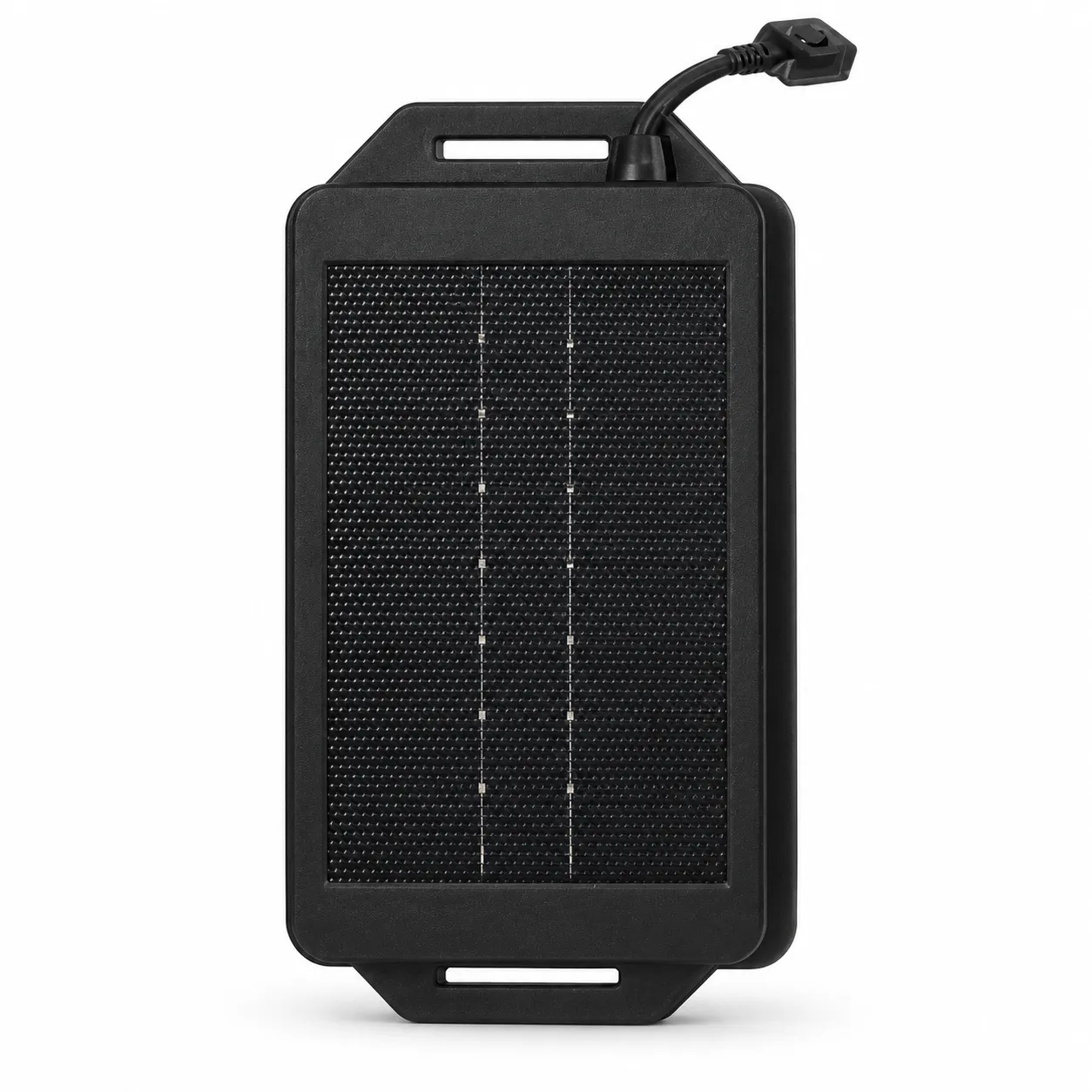
A solar-powered GPS tracker designed for outdoor assets that remain in the field for extended periods. It combines scheduled location reporting with solar-assisted charging to help operators monitor equipment, trailers and containers across multiple sites.
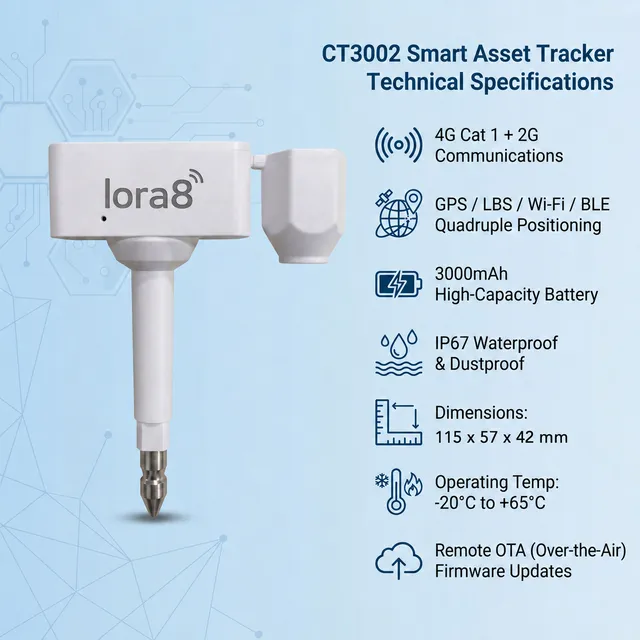
wechatgps develops GPS electronic seal solutions for cargo and container monitoring. The device concept combines location reporting with electronic seal status records, helping logistics operators review where a shipment traveled and whether a seal event occurred. Hardware, communication, and platform functions can be evaluated for each project.
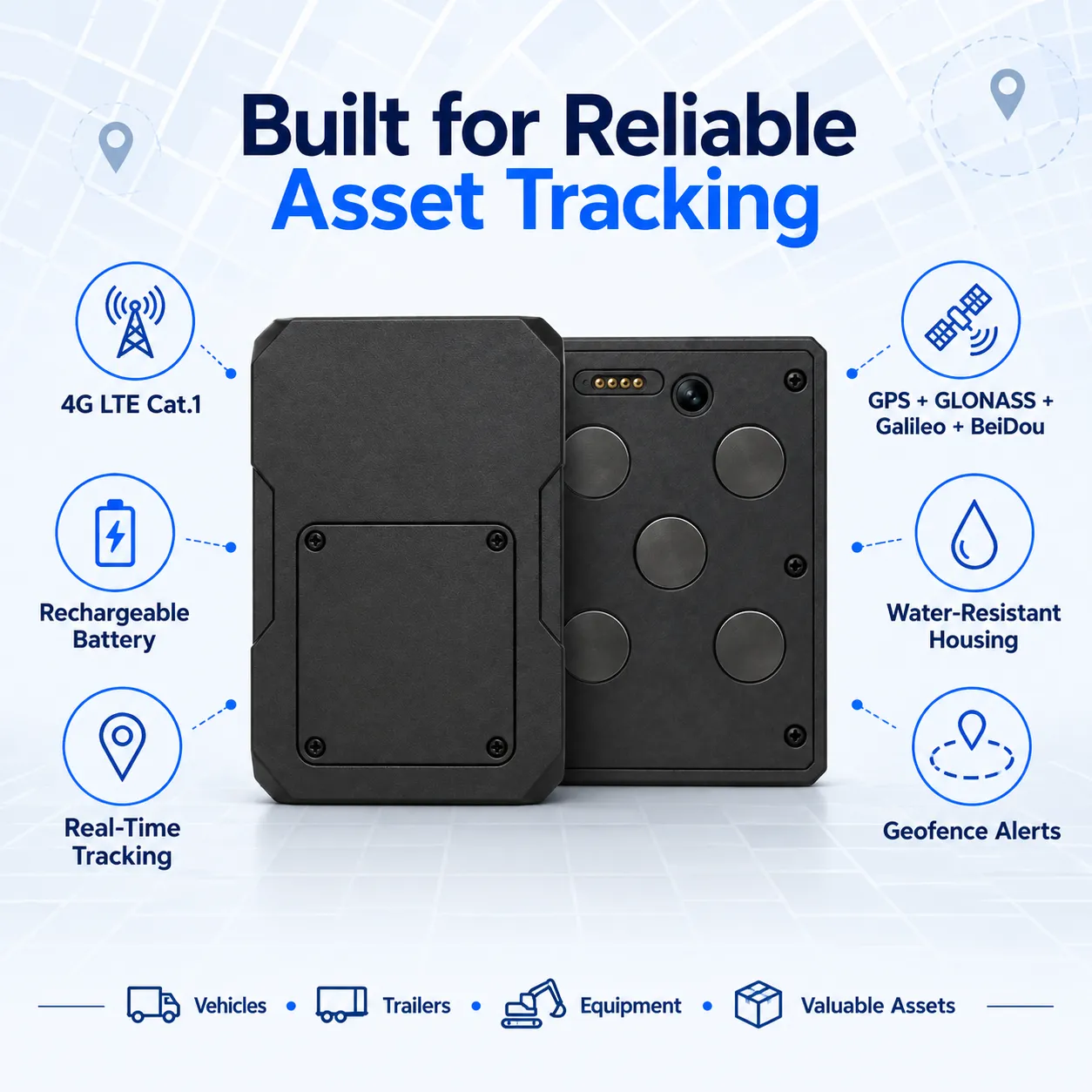
This Waterproof Magnetic GPS Tracker combines strong magnetic installation, a rechargeable high-capacity battery and an ultra-low-power operating system. Under a low-frequency scheduled reporting configuration, the device can provide up to five years of standby time, making it suitable for trailers, containers, construction machinery and assets that require long-term monitoring without permanent wiring.