Hardware & PCB design
PCB, enclosure, connectors, antenna and power design are reviewed against the installation and operating requirements.

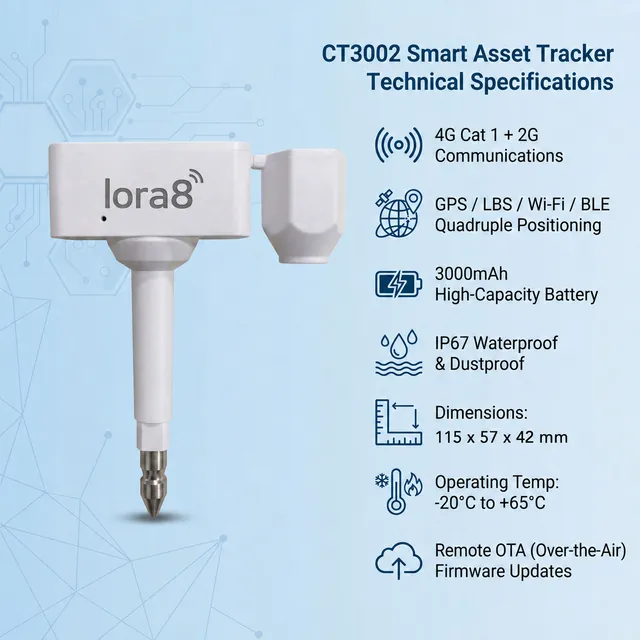
wechatgps develops GPS electronic seal solutions for cargo and container monitoring. The device concept combines location reporting with electronic seal status records, helping logistics operators review where a shipment traveled and whether a seal event occurred. Hardware, communication, and platform functions can be evaluated for each project.
Final pricing depends on configuration, quantity, taxes and shipping.
Sample availability, quantity and lead time depend on the selected model. Confirm the pilot scope before placing a production order.
A cargo seal can show that a shipment has been opened. A tamper-evident GPS electronic seal can add location and event records to that process, giving logistics teams more information when they review an exception during transit.
HOGPS works with businesses that need electronic seal hardware and tracking workflows for containers, trailers, and high-value cargo. The correct design depends on the physical sealing mechanism, route coverage, reporting requirements, and the way shipment records will be handled.
Location data helps an operator review a shipment’s route. Seal status data helps identify whether the sealing mechanism recorded an opening or tamper event. When these records are presented together, a team can investigate an exception using the event time, reported position, and shipment ID.
The meaning of an alert should be defined before deployment. For example, an authorized opening at the destination should follow a different response process from an unexpected event during transit.
Electronic seals may be installed on different door structures and used under different handover procedures. Before selecting a product, confirm where it will be fitted, who is authorized to install or remove it, and whether the operation requires a single-use seal or a reusable locking device.
The workflow should also record the starting seal state, the identity of the shipment, and the final inspection result. These records make platform alerts easier to interpret.
A GPS electronic seal needs a suitable positioning environment and a communication method that works along the intended route. Coverage may vary at ports, inside metal structures, and across national borders. Reporting and alert delivery should therefore be tested under representative conditions.
Before a large deployment, test a small number of units on actual routes. Review location history, event records, battery performance, and any periods without communication.
As a GPS electronic seal manufacturer, HOGPS can evaluate requests involving enclosure design, communication options, firmware rules, branding, and platform integration. Share the destination markets, cargo type, seal mechanism, expected journey duration, and required alerts so the technical configuration can be assessed.
Contact wechatgps to discuss a GPS electronic seal solution for your cargo monitoring project.
Explore More Products: Tamper-Evident GPS Electronic Seal Manufacturer,Temperature alarm GPS tracker,Employee Badge Tracker,LoRaWAN GPS Ear Tag for Cattle Tracking。
Discover more at wechatgps.net. We also offer custom GPS tracker development and are committed to providing service tailored to your project.
Reference configurations are shown below. Final specifications are confirmed in the approved product specification.
| Product category | GPS electronic cargo seal |
|---|---|
| Positioning technology | GNSS/GPS, subject to selected hardware |
| Seal monitoring | opening or tamper event detection, subject to mechanism design |
| Communication network | selected according to destination country and project |
| Location reporting interval | configurable according to supported firmware |
| Alert delivery | subject to device connectivity and platform configuration |
| Power supply | battery specification to be confirmed for the selected model |
| Enclosure protection | to be confirmed from the final product specification |
| Locking or release method | to be confirmed for the selected mechanism |
| Platform integration | API or private deployment requirements evaluated per project |
| Customization | enclosure, firmware, branding, and workflow options subject to feasibility review |
Confirm whether the shipment requires a single-use seal or a reusable electronic lock.
Check the device mechanism against the container or cargo door before ordering.
Select a communication version compatible with the destination countries and routes.
Register the device and shipment ID in the management platform.
Record the initial seal status, installation time, and responsible operator.
Configure location reporting and seal event alert recipients.
Test positioning, communication, and seal event recording before dispatch.
Verify the final seal status and event history when the shipment is received.
Define the application, country, quantity, reporting interval and target battery life.
Agree the device, network, power system, payload and platform interfaces.
Test representative devices, coverage, power consumption and alarm delivery on site.
Approve the specification and pilot results, then plan production, installation and support.
PCB, enclosure, connectors, antenna and power design are reviewed against the installation and operating requirements.
Reporting intervals, event logic, payload encoding and remote configuration are defined in a versioned interface document.
Device registration, maps, history, alarms and customer APIs are scoped together with access permissions and data handling.
Logo, enclosure color, labels, packaging and white-label interfaces can be assessed for the selected product and order quantity.
Sample availability, quantity and lead time depend on the selected model. Confirm the pilot scope before placing a production order.
Logo, packaging, firmware, payloads and API integration can be assessed within the agreed OEM / ODM scope.
Reporting interval, installation, radio conditions and temperature affect results. Confirm the operating profile and validate it during the pilot.
Share the country, device quantity, application, network, power target and platform requirements. Include drawings or interface documents when available.
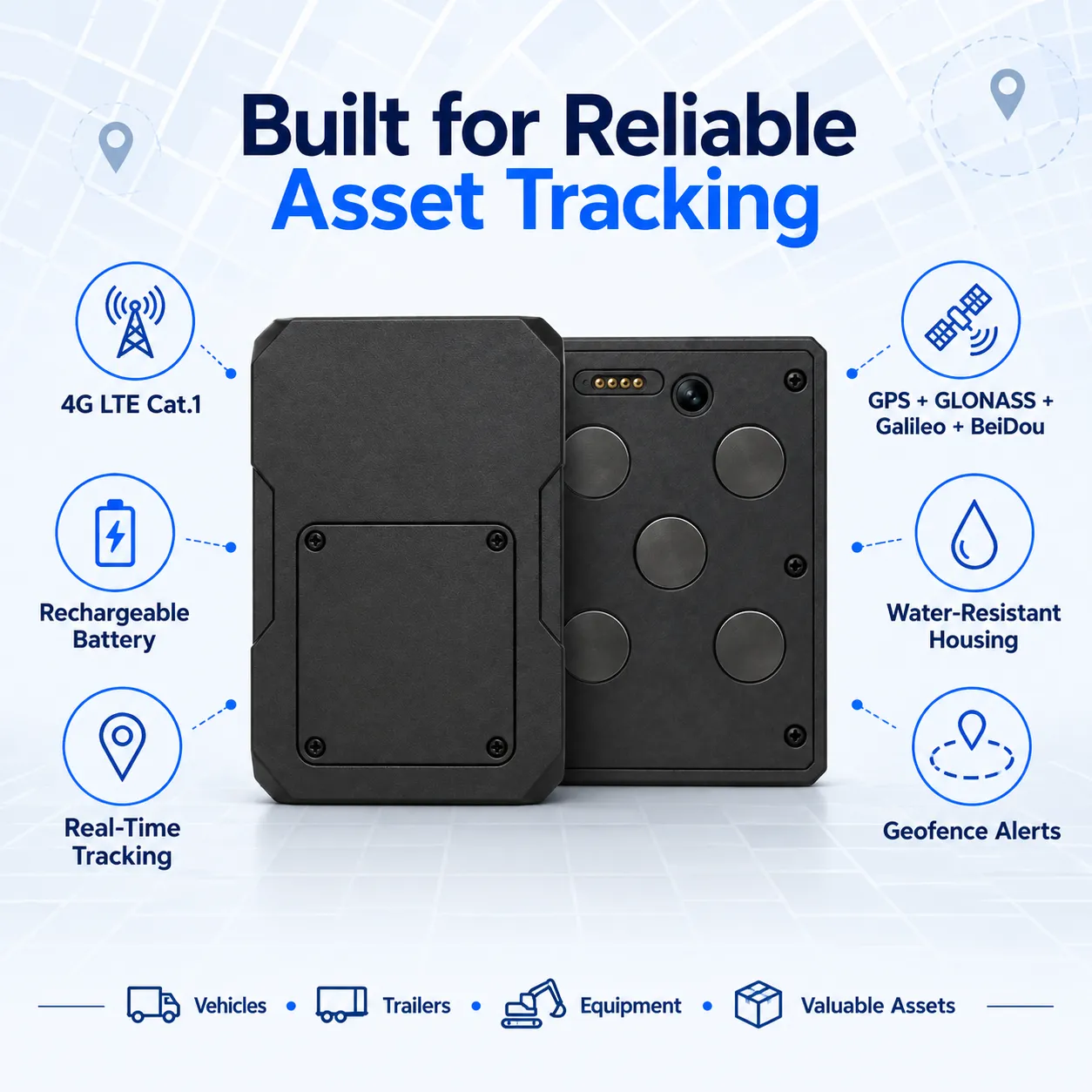
This Waterproof Magnetic GPS Tracker combines strong magnetic installation, a rechargeable high-capacity battery and an ultra-low-power operating system. Under a low-frequency scheduled reporting configuration, the device can provide up to five years of standby time, making it suitable for trailers, containers, construction machinery and assets that require long-term monitoring without permanent wiring.
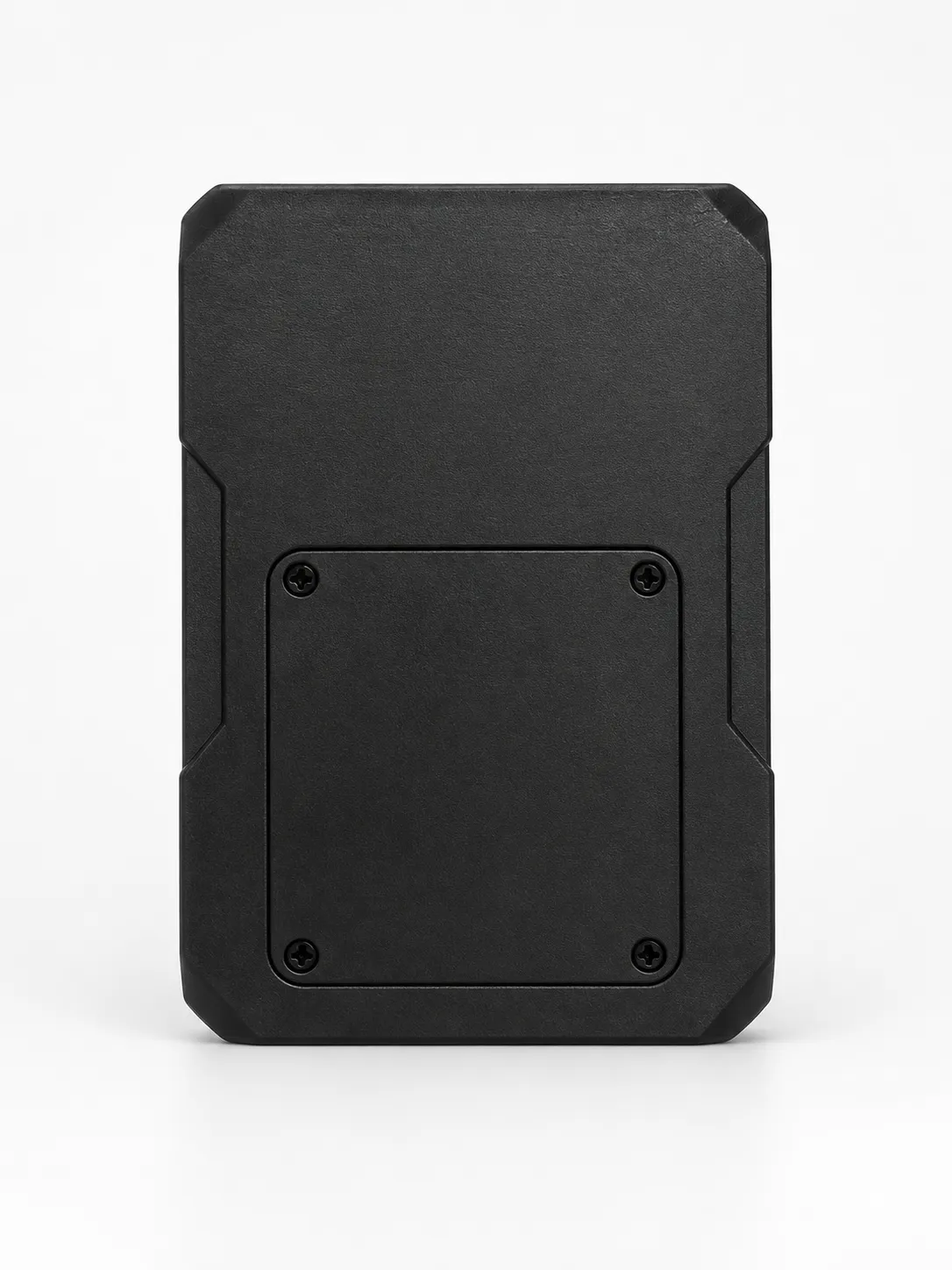
This Rechargeable Waterproof Magnetic GPS Tracker is a portable, wire-free positioning device designed for vehicles, trailers, containers, construction equipment and valuable mobile assets. Its strong magnetic mounting system enables fast installation on metal surfaces, while the rechargeable battery and sealed housing support reliable outdoor tracking without connecting to the vehicle’s power supply.
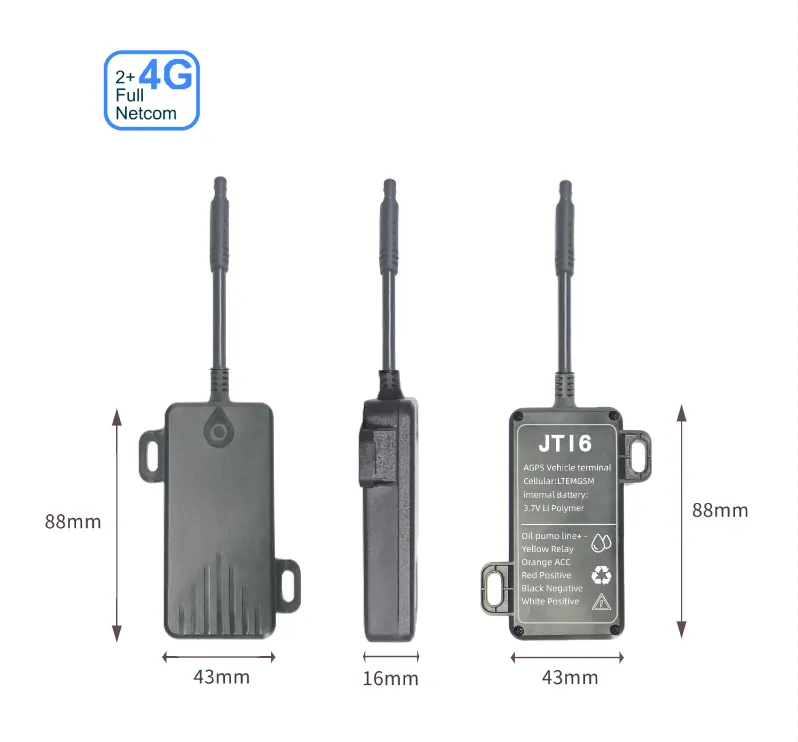
The Centimeter-Level RTK GPS Tracker is a professional high-accuracy positioning terminal developed for vehicles, autonomous equipment and industrial mobile assets. It combines multi-constellation GNSS positioning, RTK correction data, 4G communication and six-axis motion sensing. Optional SOS, microphone, speaker and buzzer interfaces support emergency communication and customized industrial applications.