Hardware & PCB design
PCB, enclosure, connectors, antenna and power design are reviewed against the installation and operating requirements.

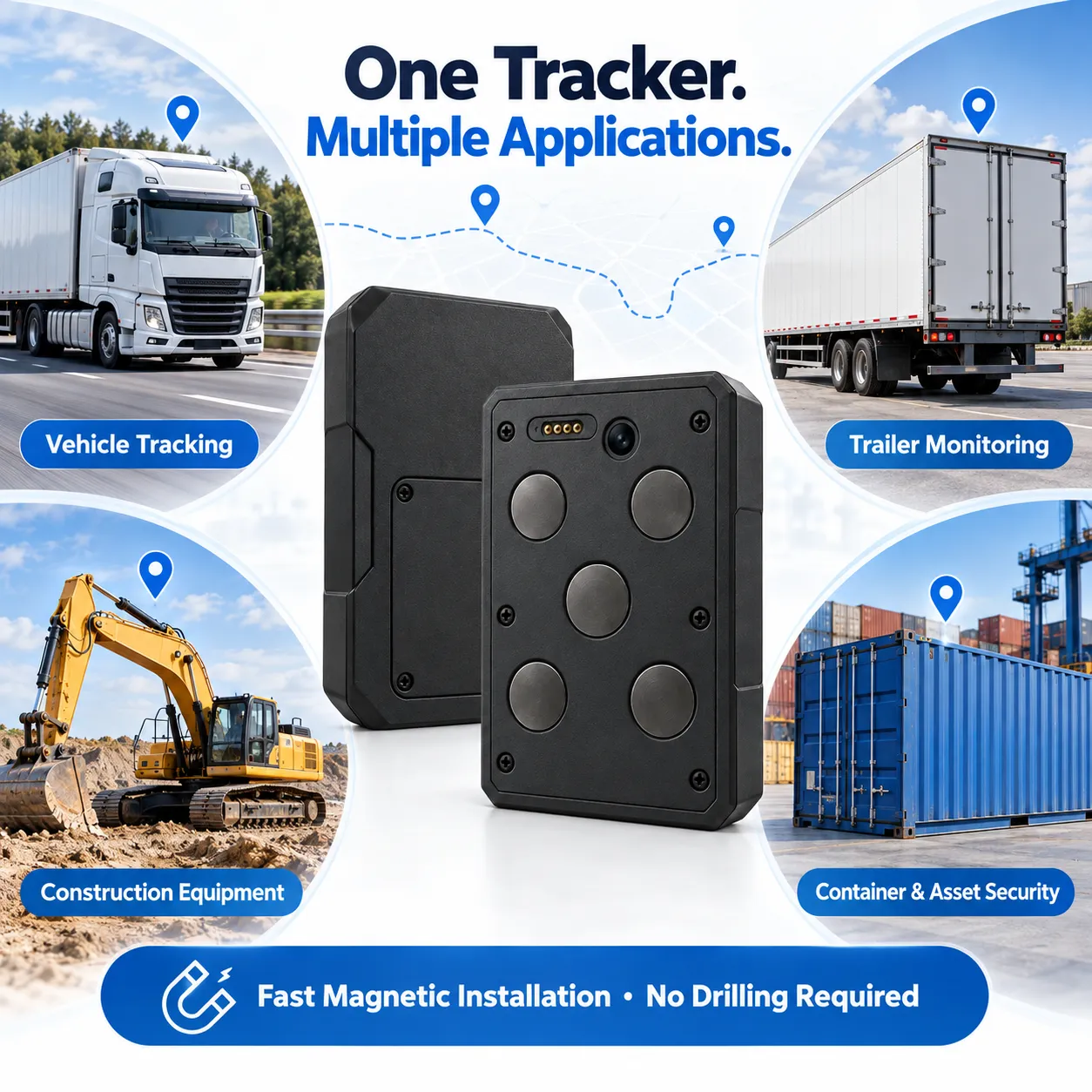
This Waterproof Magnetic GPS Tracker combines strong magnetic installation, a rechargeable high-capacity battery and an ultra-low-power operating system. Under a low-frequency scheduled reporting configuration, the device can provide up to five years of standby time, making it suitable for trailers, containers, construction machinery and assets that require long-term monitoring without permanent wiring.
Final pricing depends on configuration, quantity, taxes and shipping.
Sample availability, quantity and lead time depend on the selected model. Confirm the pilot scope before placing a production order.
The Waterproof Magnetic GPS Tracker with 5-Year Standby is designed for vehicles and mobile assets that require long-term location monitoring but cannot use a permanently wired tracking terminal. Its built-in magnets allow quick installation on trailers, containers, construction machinery and other metal equipment without drilling, wiring or modifying the original structure.
The tracker uses an ultra-low-power sleep and scheduled wake-up strategy. When no location report is required, most internal components remain in a low-consumption state. At the configured reporting time, the device wakes up, obtains its location, transmits the data to the platform and returns to sleep.
Under a low-frequency reporting configuration and suitable network conditions, the tracker can achieve up to five years of standby time. Actual operating time depends on the battery capacity, reporting interval, real-time tracking duration, cellular signal strength, satellite acquisition time, temperature, alarm frequency and battery condition.
The built-in rechargeable battery allows the tracker to be used again after charging. This provides greater flexibility than a disposable-battery tracker, especially for rental equipment, reusable containers and temporary vehicle tracking projects.
GPS and BDS provide outdoor satellite positioning, while WiFi and LBS can be used as supplementary positioning methods in challenging environments. Location data is transmitted through the cellular network to a PC or mobile tracking platform.
Managers can view the most recent position, review historical routes, configure geofences and check device battery status remotely. Movement and vibration alerts can help identify unauthorized operation, while low-battery notifications provide time to schedule charging before the tracker goes offline.
Its sealed enclosure is designed for outdoor use, and the magnetic structure enables discreet installation on suitable metal surfaces. For the best performance, the selected position should provide sufficient access to satellite and cellular signals while protecting the tracker from direct impact.
Shenzhen Jinshengchang Technology Co., Ltd. provides OEM and ODM services for long-standby magnetic GPS trackers. Customization options include battery capacity, communication bands, enclosure design, firmware logic, reporting strategy, alarm functions, communication protocols, private tracking platforms, mobile applications and API integration.
Reference configurations are shown below. Final specifications are confirmed in the approved product specification.
| Product Name | Waterproof Magnetic GPS Tracker with 5-Year Standby |
|---|---|
| Communication Network | 4G Cat.1 / 2G Optional |
| Positioning Methods | GPS / BDS / WiFi / LBS |
| Standby Time | Up to 5 Years Under a Low-Frequency Reporting Configuration |
| Battery Type | Built-In Rechargeable High-Capacity Lithium Battery |
| Power Management | Ultra-Low-Power Sleep and Scheduled Wake-Up |
| Installation Method | Strong Magnetic Mounting |
| Magnetic Structure | Four Metal-Surface Mounting Magnets |
| Tracking Modes | Scheduled Reporting / Real-Time Tracking / Alarm Reporting |
| Reporting Interval | Remotely Configurable |
| Water Protection | Sealed Water-Resistant Housing |
| Location Accuracy | Subject to Satellite Signal and Installation Environment |
| Platform Access | PC Web Platform / Android App / iOS App |
| Main Functions | Location Monitoring, Route Playback and Device Management |
| Alarm Functions | Geofence, Movement, Vibration and Low-Battery Alerts |
| Data Storage | Cloud-Based Historical Location Records |
| Antenna | Built-In GPS and Cellular Antennas |
| External Wiring | Not Required |
| Housing | Durable Industrial-Grade Enclosure |
| Logo | OEM Logo Printing Supported |
| Firmware | Reporting Logic and Power Strategy Customizable |
| Communication Protocol | Standard or Customized Protocol |
| System Integration | API and Private Server Integration Supported |
| Applications | Trailers, Containers, Vehicles, Equipment and Mobile Assets |
Fully charge the tracker before initial deployment.
Install and activate a compatible SIM card for the 4G version.
Register the device ID on the GPS tracking platform.
Assign the tracker to the corresponding vehicle, trailer or asset.
Select the required reporting mode according to the project’s battery-life target.
Use low-frequency scheduled reporting when targeting ultra-long standby operation.
Use real-time tracking only when necessary because frequent reporting increases power consumption.
Configure electronic geofences, movement alarms and low-battery notifications.
Attach the device firmly to a clean and flat metal surface.
Avoid installing it inside a completely enclosed metal compartment.
Test GPS reception and cellular communication after installation.
Recharge the battery when the platform generates a low-power notification.
Confirm the required waterproof rating before continuous exposure to heavy rain or water immersion.
Define the application, country, quantity, reporting interval and target battery life.
Agree the device, network, power system, payload and platform interfaces.
Test representative devices, coverage, power consumption and alarm delivery on site.
Approve the specification and pilot results, then plan production, installation and support.
PCB, enclosure, connectors, antenna and power design are reviewed against the installation and operating requirements.
Reporting intervals, event logic, payload encoding and remote configuration are defined in a versioned interface document.
Device registration, maps, history, alarms and customer APIs are scoped together with access permissions and data handling.
Logo, enclosure color, labels, packaging and white-label interfaces can be assessed for the selected product and order quantity.
Sample availability, quantity and lead time depend on the selected model. Confirm the pilot scope before placing a production order.
Logo, packaging, firmware, payloads and API integration can be assessed within the agreed OEM / ODM scope.
Reporting interval, installation, radio conditions and temperature affect results. Confirm the operating profile and validate it during the pilot.
Share the country, device quantity, application, network, power target and platform requirements. Include drawings or interface documents when available.
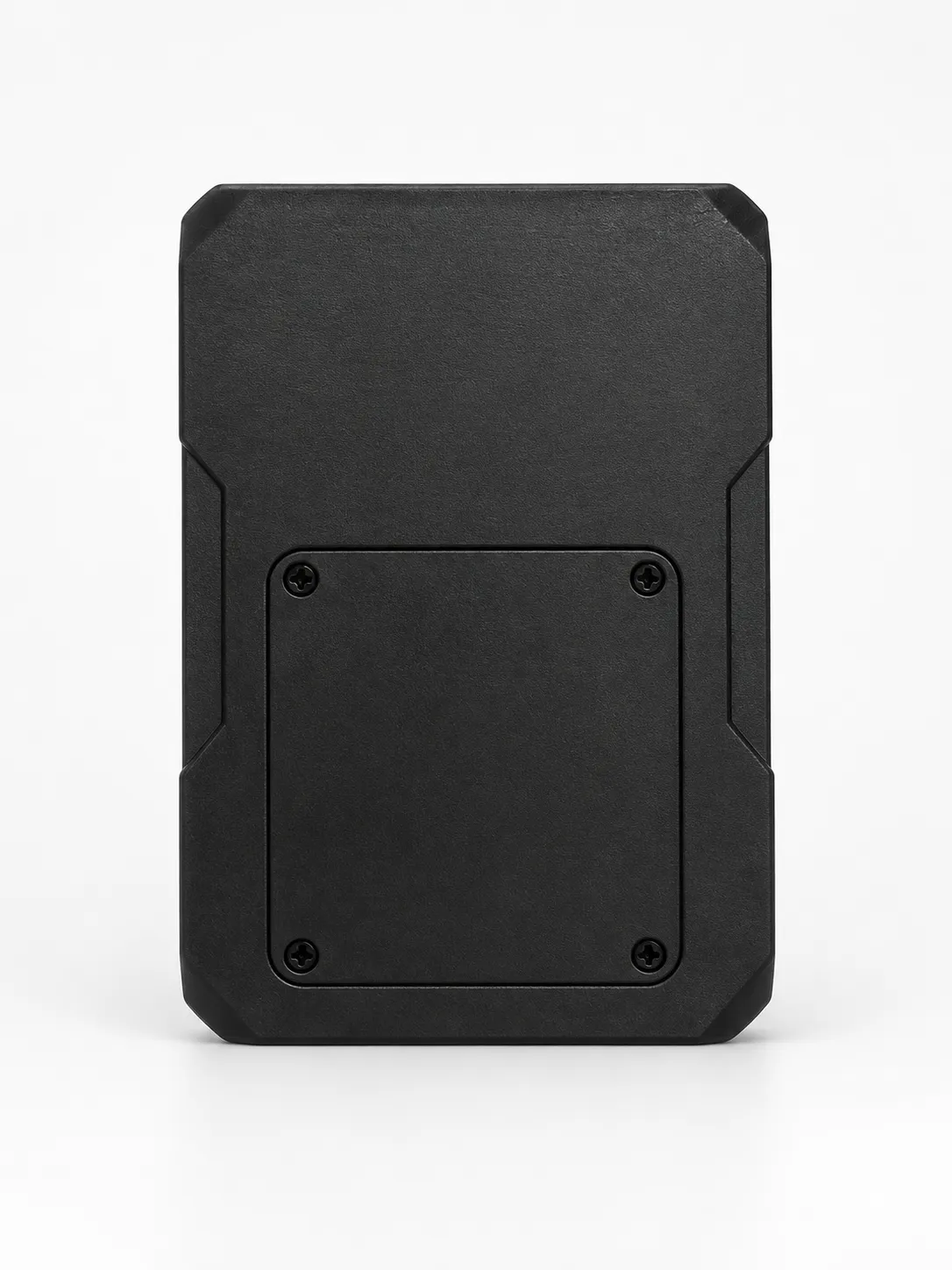
This Rechargeable Waterproof Magnetic GPS Tracker is a portable, wire-free positioning device designed for vehicles, trailers, containers, construction equipment and valuable mobile assets. Its strong magnetic mounting system enables fast installation on metal surfaces, while the rechargeable battery and sealed housing support reliable outdoor tracking without connecting to the vehicle’s power supply.
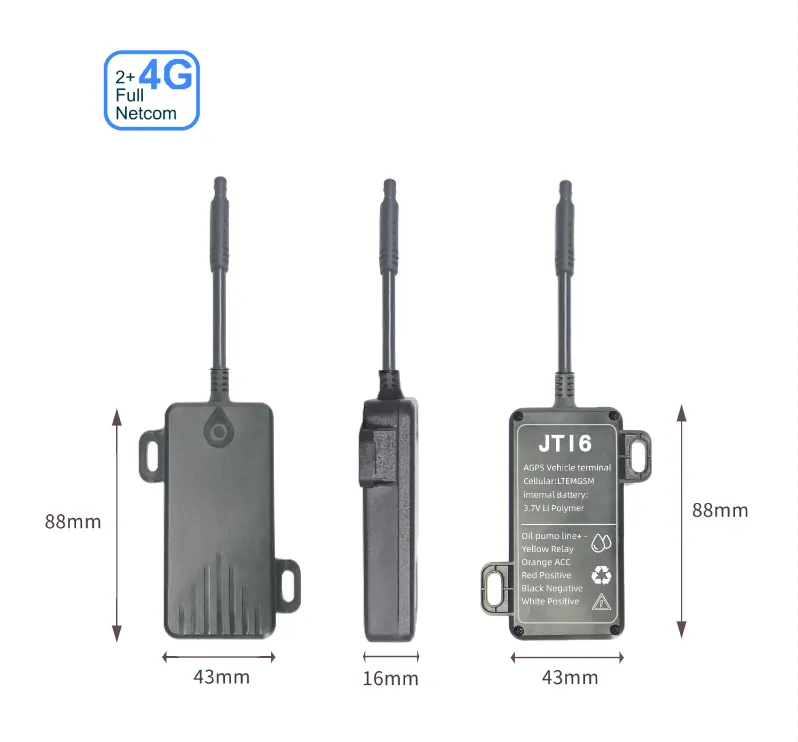
The Centimeter-Level RTK GPS Tracker is a professional high-accuracy positioning terminal developed for vehicles, autonomous equipment and industrial mobile assets. It combines multi-constellation GNSS positioning, RTK correction data, 4G communication and six-axis motion sensing. Optional SOS, microphone, speaker and buzzer interfaces support emergency communication and customized industrial applications.
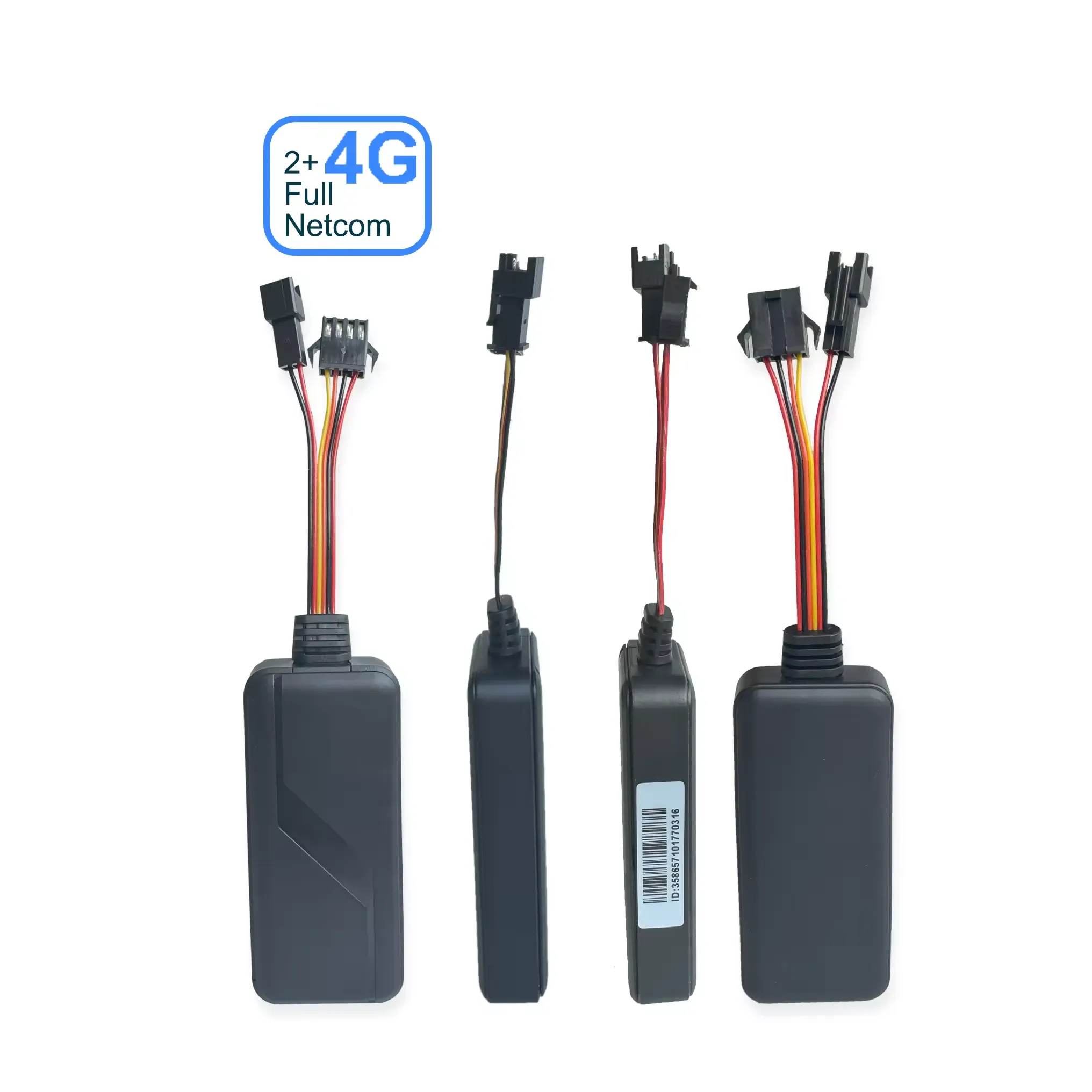
This 4G Vehicle GPS Tracker combines real-time vehicle positioning with expandable emergency communication accessories. It supports an external SOS button, microphone, speaker and buzzer, making it suitable for fleet management, taxis, school buses, logistics vehicles and commercial transportation. OEM customers can customize the hardware, firmware, communication protocol and tracking platform.