Hardware & PCB design
PCB, enclosure, connectors, antenna and power design are reviewed against the installation and operating requirements.

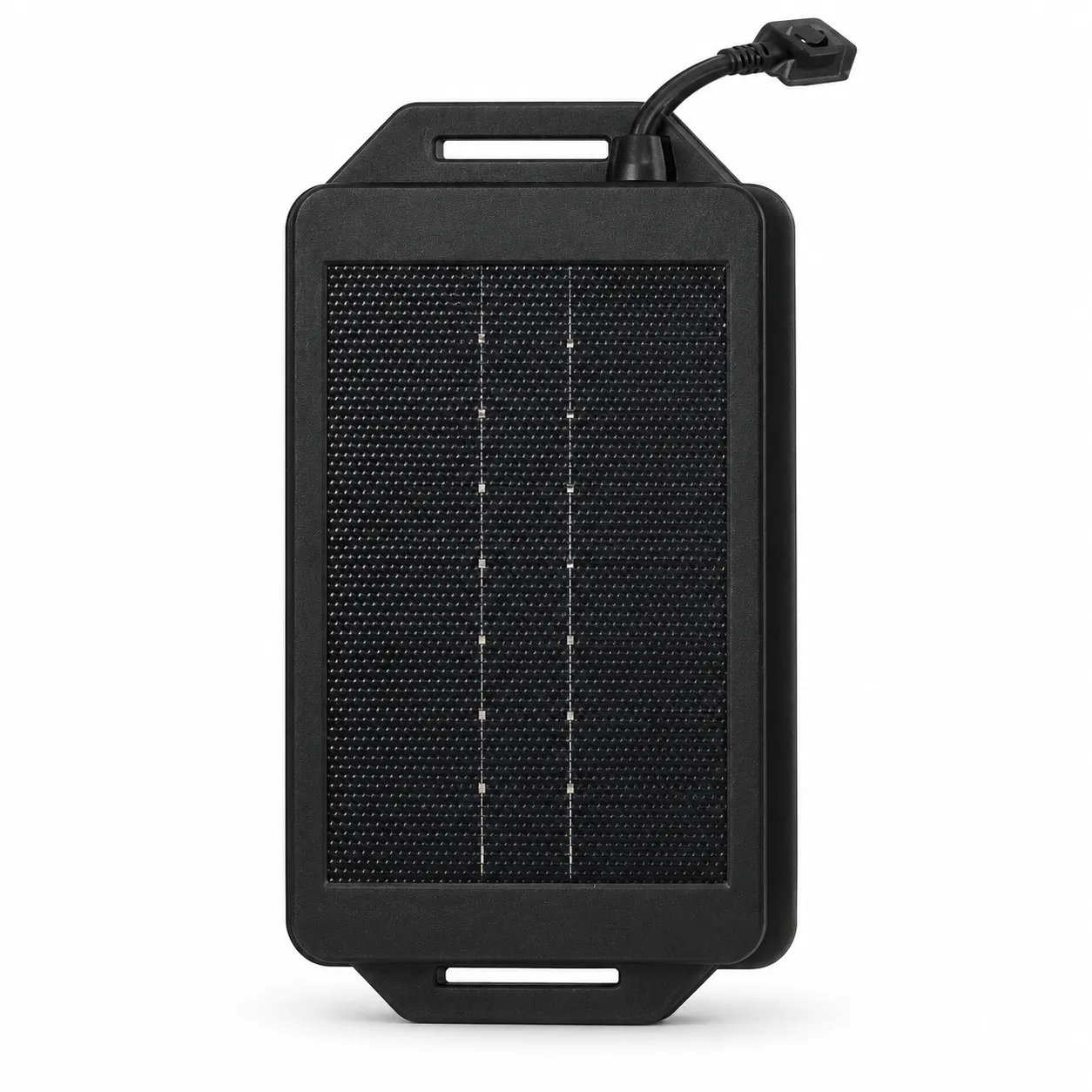
A solar-powered GPS tracker designed for outdoor assets that remain in the field for extended periods. It combines scheduled location reporting with solar-assisted charging to help operators monitor equipment, trailers and containers across multiple sites.
Final pricing depends on configuration, quantity, taxes and shipping.
Sample availability, quantity and lead time depend on the selected model. Confirm the pilot scope before placing a production order.
Keeping track of trailers, containers and equipment spread across multiple locations can be difficult. The Solar Asset GPS Tracker gives operators a way to check asset locations, review movement history and receive alerts when an asset moves outside a defined area.
The integrated solar panel helps recharge the device when it is installed in a suitable outdoor position. Reporting frequency, sunlight exposure and operating conditions all affect battery performance. For each project, the reporting schedule should be set around the level of visibility the customer needs.
Users can view reported positions through a web or mobile platform and review an asset’s movement history. Geofence, movement and low-battery alerts can help teams identify unexpected activity and plan maintenance visits.
A trailer operator may need location updates during trips, while a construction company may mainly want to know whether equipment has left a jobsite. Reporting rules and alert settings can be configured for these different workflows, subject to the selected hardware and firmware.
Shenzhen Jinshengchang Technology Co., Ltd. supports project-based customization, including branding, reporting logic and platform integration. Share your target country, asset type, expected update interval and installation method so the appropriate hardware configuration can be evaluated.
Recommend High-Quality WeChat GPS Products
Reference configurations are shown below. Final specifications are confirmed in the approved product specification.
| Product type | Solar asset GPS tracker |
|---|---|
| Positioning | GNSS positioning; supported constellations to be confirmed |
| Connectivity | 4G LTE bands and regional versions to be confirmed/lorawan US915 EU868 AU915 AU923 |
| Power supply | Rechargeable battery with solar-assisted charging |
| Battery capacity | To be confirmed |
| Reporting interval | Configurable; available intervals to be confirmed |
| Alerts | Movement, geofence and low battery, subject to firmware configuration |
| Protection rating | To be confirmed by enclosure test report |
| Installation | Mounting method to be confirmed |
| Platform access | Web and mobile access, subject to platform configuration |
| Integration | API or private server integration subject to project requirements |
Install the tracker where its solar panel receives sufficient daylight.
Avoid placing the device beneath metal covers or inside enclosed containers.
Select the reporting interval according to asset movement and available sunlight.
Confirm local 4G band compatibility before shipment.
Test positioning, charging and alert delivery at the installation site.
Define the application, country, quantity, reporting interval and target battery life.
Agree the device, network, power system, payload and platform interfaces.
Test representative devices, coverage, power consumption and alarm delivery on site.
Approve the specification and pilot results, then plan production, installation and support.
PCB, enclosure, connectors, antenna and power design are reviewed against the installation and operating requirements.
Reporting intervals, event logic, payload encoding and remote configuration are defined in a versioned interface document.
Device registration, maps, history, alarms and customer APIs are scoped together with access permissions and data handling.
Logo, enclosure color, labels, packaging and white-label interfaces can be assessed for the selected product and order quantity.
Sample availability, quantity and lead time depend on the selected model. Confirm the pilot scope before placing a production order.
Logo, packaging, firmware, payloads and API integration can be assessed within the agreed OEM / ODM scope.
Reporting interval, installation, radio conditions and temperature affect results. Confirm the operating profile and validate it during the pilot.
Share the country, device quantity, application, network, power target and platform requirements. Include drawings or interface documents when available.
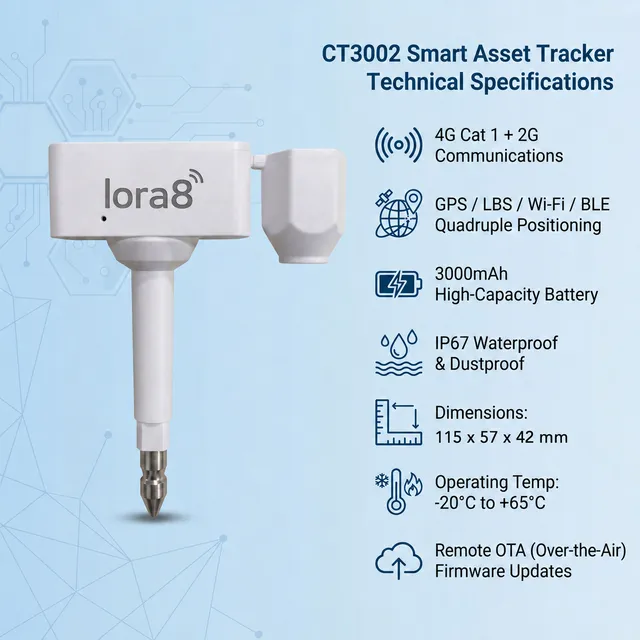
wechatgps develops GPS electronic seal solutions for cargo and container monitoring. The device concept combines location reporting with electronic seal status records, helping logistics operators review where a shipment traveled and whether a seal event occurred. Hardware, communication, and platform functions can be evaluated for each project.
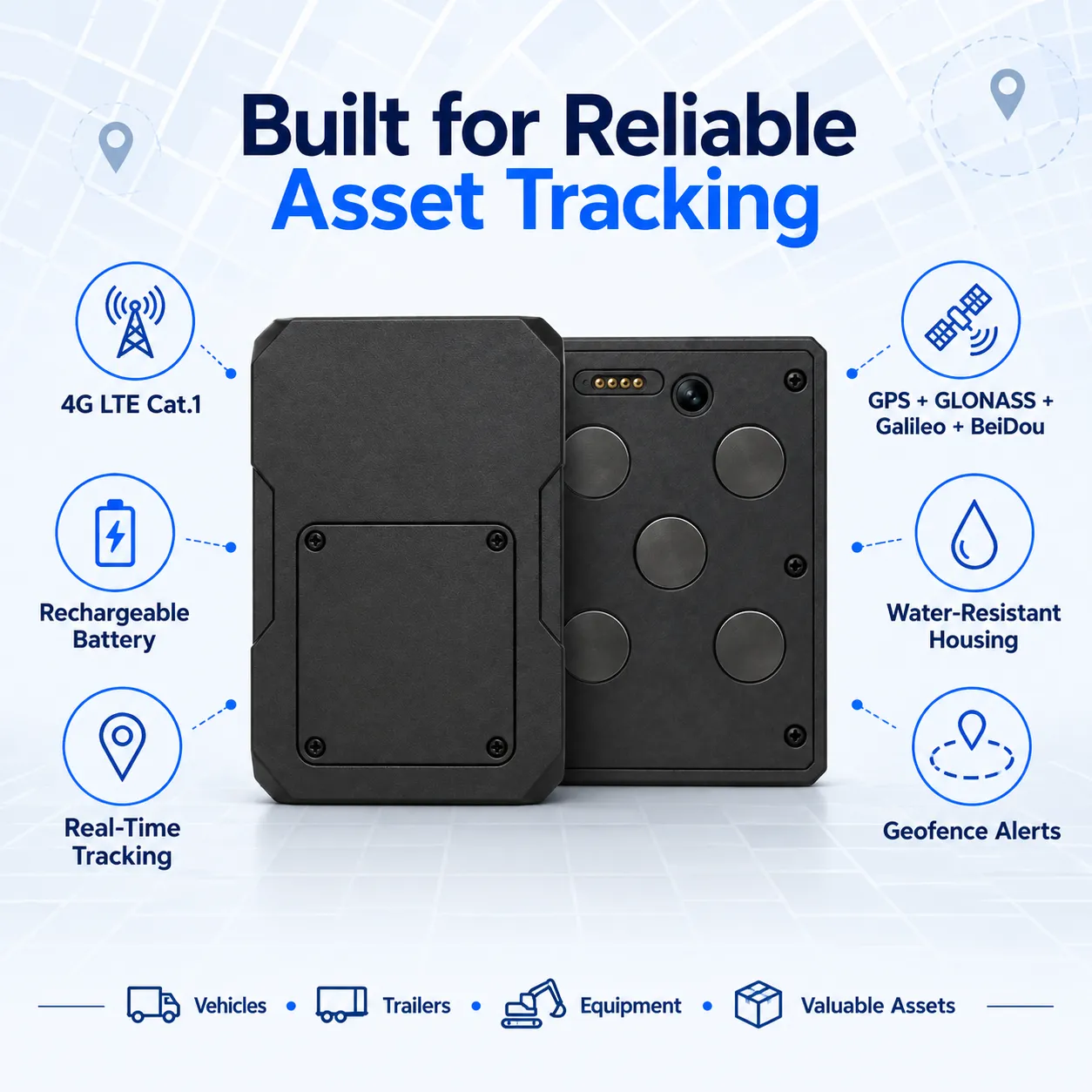
This Waterproof Magnetic GPS Tracker combines strong magnetic installation, a rechargeable high-capacity battery and an ultra-low-power operating system. Under a low-frequency scheduled reporting configuration, the device can provide up to five years of standby time, making it suitable for trailers, containers, construction machinery and assets that require long-term monitoring without permanent wiring.
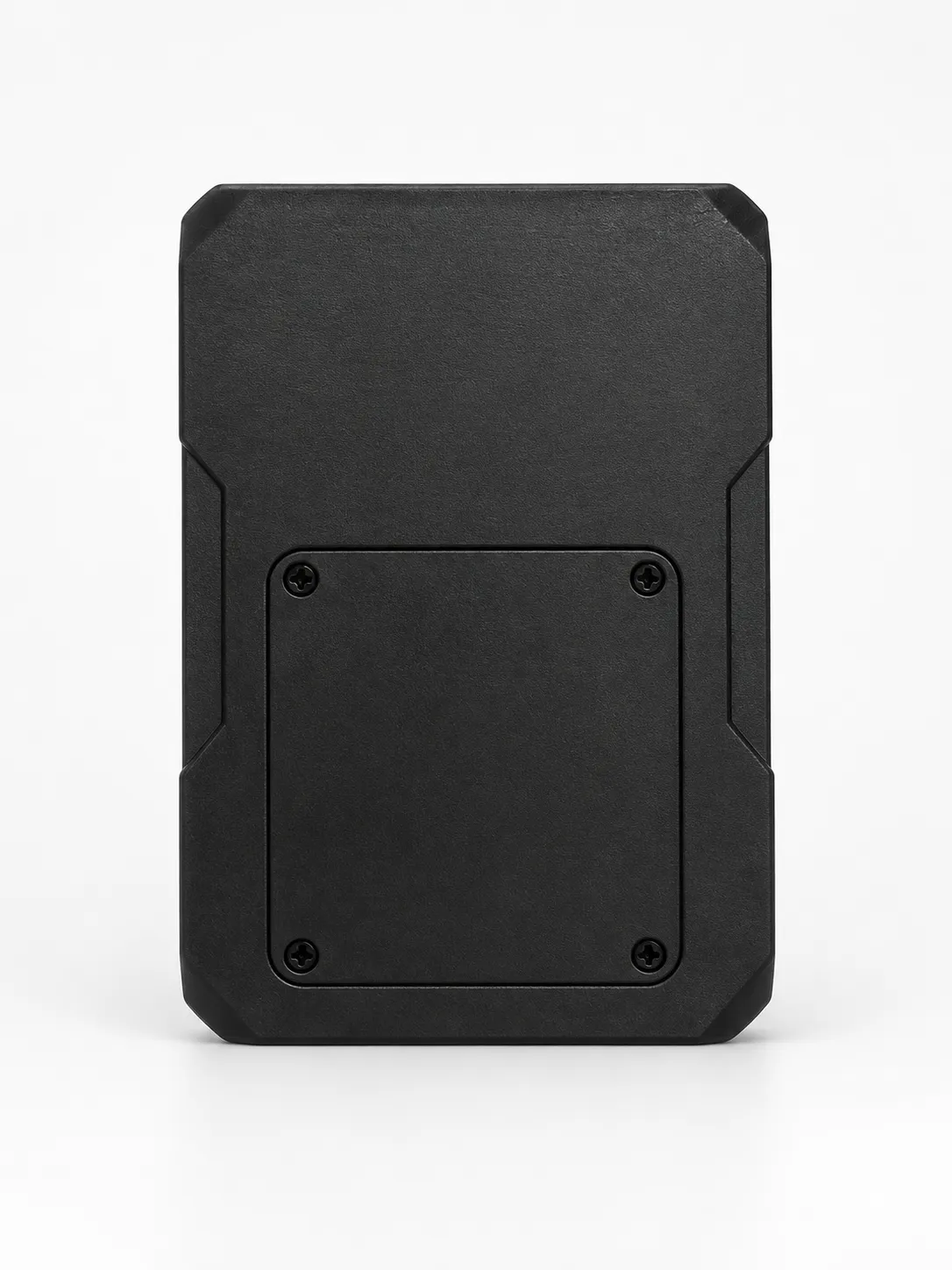
This Rechargeable Waterproof Magnetic GPS Tracker is a portable, wire-free positioning device designed for vehicles, trailers, containers, construction equipment and valuable mobile assets. Its strong magnetic mounting system enables fast installation on metal surfaces, while the rechargeable battery and sealed housing support reliable outdoor tracking without connecting to the vehicle’s power supply.