Hardware & PCB design
PCB, enclosure, connectors, antenna and power design are reviewed against the installation and operating requirements.

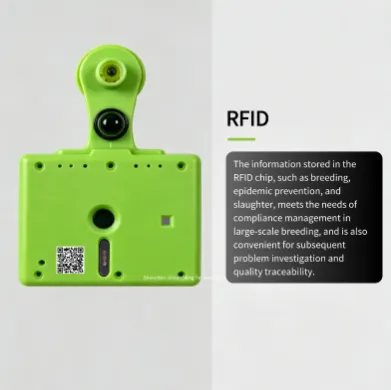
The Pasture Livestock Tracking Ear Tag is designed for cattle, sheep, and other grazing animals that require long-range location tracking and digital herd management. It combines GPS positioning, LoRaWAN communication, activity monitoring, temperature sensing, RFID identification, and geo-fence alerts in one compact livestock ear tag. The device is suitable for large farms, open pasture, remote grazing areas, and livestock IoT projects where farmers need to monitor animal location and movement from a web platform or mobile app. LoRaWAN communication can reduce the need for a cellular SIM card on each device, while optional 4G connectivity can be used for specific project requirements.
Final pricing depends on configuration, quantity, taxes and shipping.
Sample availability, quantity and lead time depend on the selected model. Confirm the pilot scope before placing a production order.
The Pasture Livestock Tracking Ear Tag is an IoT livestock monitoring device that combines animal identification with GPS positioning and long-range wireless communication.
Traditional livestock ear tags are mainly used to identify individual animals, while this smart ear tag can also transmit location and movement data to a remote management platform.
Farmers can view the latest position of cattle, sheep, and other grazing livestock from a mobile application or web-based system.
When an animal leaves a predefined grazing zone, the platform can generate a geo-fence alert so farm managers can react more quickly.
LoRaWAN technology allows a large number of livestock tracking ear tags to communicate with one or multiple gateways across a ranch.
This architecture can reduce the need to install a separate cellular SIM card in every livestock tracking device.
For farms with hundreds or thousands of animals, this can help reduce recurring communication costs while maintaining centralized livestock monitoring.
The 1500mAh battery is combined with configurable reporting intervals and low-power operating modes to support long-term pasture use.
Farmers can increase the reporting interval when only periodic livestock location updates are required.
For higher-value animals or special management periods, the reporting interval can be shortened to provide more frequent location updates.
The platform can store historical movement records so users can review where livestock has traveled during a selected time period.
RFID information can be linked with GPS data, allowing animal identity and position information to be managed within the same system.
Activity and temperature information can also be used as additional reference data for livestock management.
For large ranches, livestock devices can be grouped by herd, breed, age, pasture zone, or ownership.
The system can also support multiple LoRaWAN gateways to extend coverage across larger grazing areas.
OEM and ODM development is available for customers who require customized LoRaWAN frequencies, communication protocols, firmware logic, API interfaces, private servers, mobile apps, or white-label management platforms.
The Pasture Livestock Tracking Ear Tag is suitable for cattle farms, sheep ranches, remote pasture monitoring, livestock anti-loss projects, smart ranch management, and large-scale livestock IoT deployments.
Reference configurations are shown below. Final specifications are confirmed in the approved product specification.
| Product Name | Pasture Livestock Tracking Ear Tag |
|---|---|
| Positioning Mode | GPS / GNSS |
| Communication Technology | LoRaWAN |
| Optional Network | 4G + 2G |
| Application | Cattle, Sheep, Livestock, Grazing Animals |
| Battery Capacity | 1500mAh |
| Product Size | 9 × 11 × 1.5 cm |
| Product Weight | 58g |
| Certification | CE / FCC / RoHS |
| Supported Operating Systems | Android / iOS |
| Warranty | 24 Months |
| GPS Tracking | Supported |
| Geo-Fence Alarm | Supported |
| Temperature Monitoring | Supported |
| RFID Identification | Supported |
| Activity Monitoring | Supported |
| Fall Detection | Supported |
| Low Battery Alarm | Supported |
| Historical Tracking | Supported |
| Real-Time Location Monitoring | Supported |
| Remote Configuration | Supported |
| Mobile APP Management | Supported |
| Web Platform | Supported |
| API Integration | Supported |
| Private Server Deployment | Supported |
| OEM / ODM | Supported |
| LoRaWAN Frequency Bands | EU868 / US915 / AU915 / AS923 / IN865 / KR920 / CN470 |
| Data Upload Interval | Configurable |
| Low-Power Mode | Supported |
| Device ID Management | Supported |
| Multi-Device Management | Supported |
| Minimum Order Quantity | 50 Pieces |
| Sales Unit | Single Product |
| Package Size | 45 × 45 × 30 cm |
| Gross Package Weight | 13.0 kg |
Register each livestock ear tag Device ID on the management platform.
Link each device with the corresponding animal ID, RFID number, or livestock profile.
Install the LoRaWAN gateway at a high and relatively open position in the pasture.
Make sure the gateway and ear tags operate on the same LoRaWAN frequency plan.
Connect the gateway to the server through 4G, Ethernet, or another available internet connection.
Attach the GPS ear tag securely to the animal using the proper ear tag installation method.
Test GPS positioning and LoRaWAN communication after installation.
Add additional gateways when the pasture area exceeds the coverage of a single gateway.
Configure geo-fence zones on the map before livestock enters the grazing area.
Set the GPS and data reporting interval according to the monitoring requirement.
Use a longer reporting interval when maximum battery life is required.
Use a shorter reporting interval when more frequent livestock location updates are required.
Group devices by ranch, herd, animal type, or management area for easier monitoring.
Use API integration when livestock data needs to be synchronized with an existing farm management platform.
Define the application, country, quantity, reporting interval and target battery life.
Agree the device, network, power system, payload and platform interfaces.
Test representative devices, coverage, power consumption and alarm delivery on site.
Approve the specification and pilot results, then plan production, installation and support.
PCB, enclosure, connectors, antenna and power design are reviewed against the installation and operating requirements.
Reporting intervals, event logic, payload encoding and remote configuration are defined in a versioned interface document.
Device registration, maps, history, alarms and customer APIs are scoped together with access permissions and data handling.
Logo, enclosure color, labels, packaging and white-label interfaces can be assessed for the selected product and order quantity.
Sample availability, quantity and lead time depend on the selected model. Confirm the pilot scope before placing a production order.
Logo, packaging, firmware, payloads and API integration can be assessed within the agreed OEM / ODM scope.
Reporting interval, installation, radio conditions and temperature affect results. Confirm the operating profile and validate it during the pilot.
Share the country, device quantity, application, network, power target and platform requirements. Include drawings or interface documents when available.
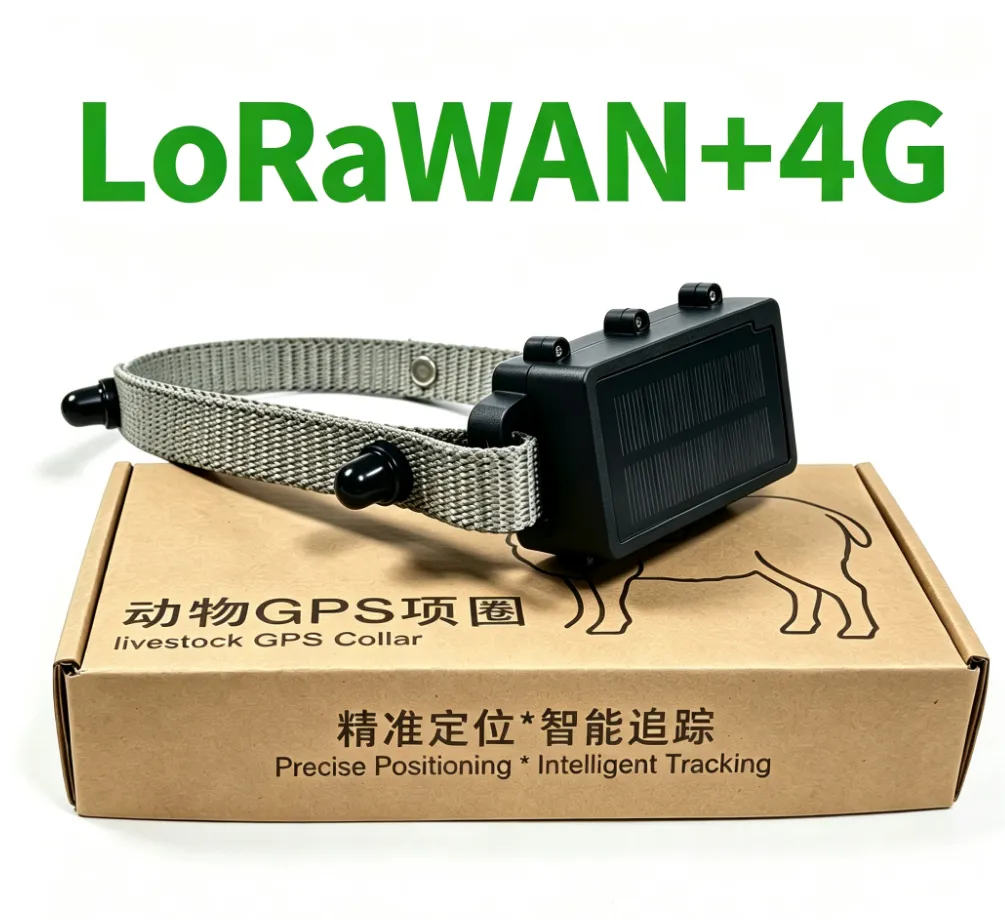
The Sheep GPS Tracking Collar is designed for real-time flock location, grazing-route monitoring and escape prevention. It supports GPS positioning, configurable location uploads, electronic geofences and historical route playback. Waterproof construction, low-power operation and optional LoRaWAN or 4G communication make it suitable for large farms, open pastures and remote grazing areas.
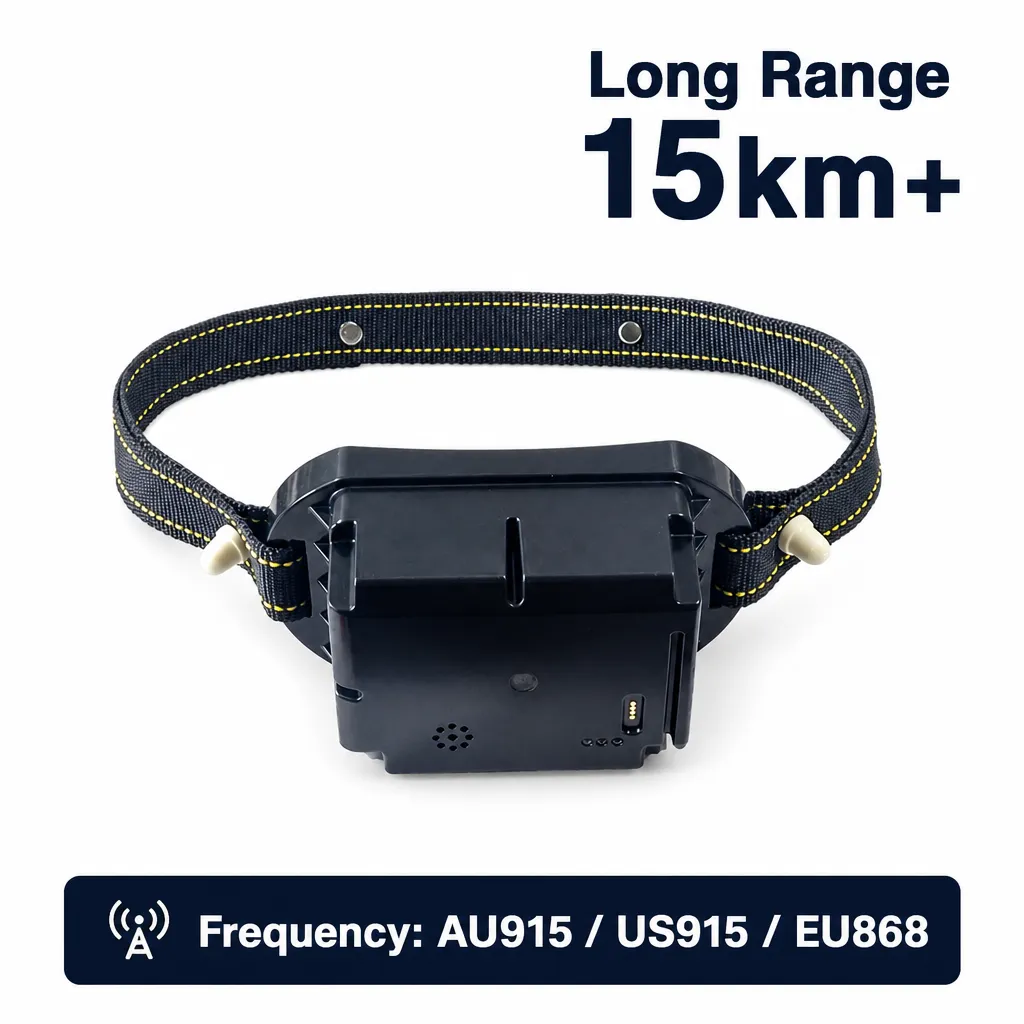
A LoRaWAN cattle containment collar combining GPS positioning, audio warnings and controlled electric pulse guidance. It enables ranchers to define virtual grazing boundaries, monitor cattle locations and manage herd movement remotely through a mobile app or web platform.
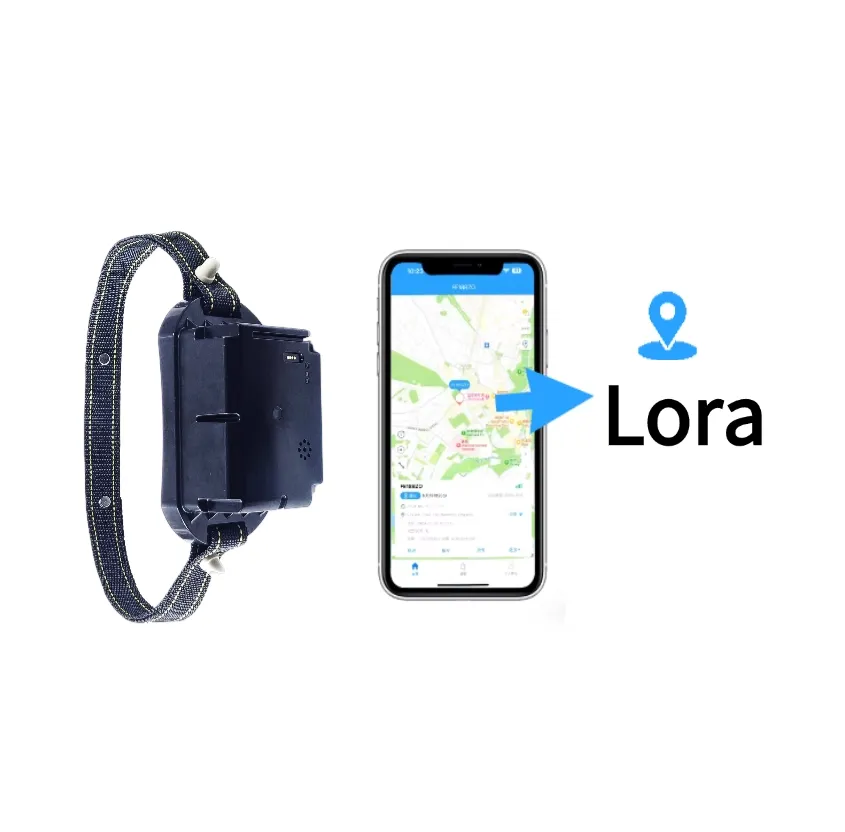
The JSC-805 is a rugged solar-powered 4G/2G GPS tracking collar for cattle, sheep, horses, and other large animals. It provides location monitoring, geofencing, route history, activity analysis, and livestock security through mobile apps and a web platform.