Hardware & PCB design
PCB, enclosure, connectors, antenna and power design are reviewed against the installation and operating requirements.

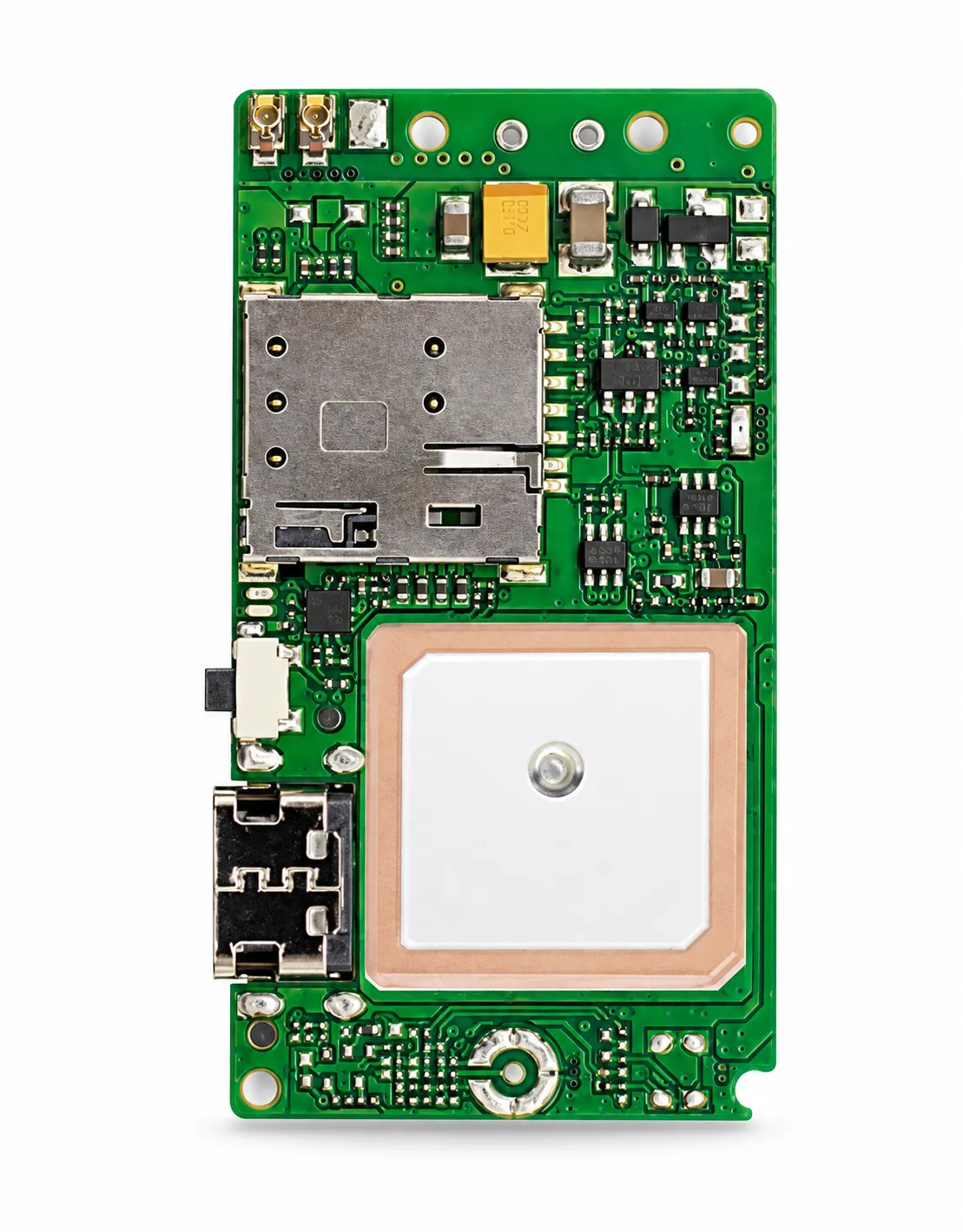
Low Power Pet GPS Tracker Design is a customized hardware and software development service for dog trackers, cat trackers and smart pet collars. Shenzhen Jinshengchang Technology provides compact PCB design, low-power firmware, GNSS positioning, wireless communication, antenna optimization, waterproof enclosure development, mobile APP integration, prototyping and mass production. Each solution can be customized according to product size, battery capacity, target market, tracking frequency and expected operating time.
Final pricing depends on configuration, quantity, taxes and shipping.
Sample availability, quantity and lead time depend on the selected model. Confirm the pilot scope before placing a production order.
Low Power Pet GPS Tracker Design is intended for pet-product companies, distributors and technology brands that need a customized tracker rather than a standard finished device. The development service covers the complete product process, including electronic architecture, compact PCB design, embedded firmware, positioning algorithms, antenna tuning, enclosure integration, mobile applications and manufacturing.
Power consumption is one of the most important challenges in pet GPS tracker development. A tracker must be small and lightweight, but a smaller enclosure limits the available battery capacity. Continuous GNSS positioning and cellular communication can quickly consume battery power. For this reason, a low-power pet tracker cannot depend only on a larger battery. The circuit, firmware, positioning strategy and communication process must be optimized together.
The tracker can use a low-power accelerometer to identify whether the pet is moving. When the pet remains still, the system can extend the positioning interval or enter deep sleep. Once movement is detected, the tracker wakes automatically and updates its location. If the pet leaves a predefined safe zone, the platform can switch the device to a faster tracking mode and send an escape notification to the owner.
Different positioning technologies can be combined to improve performance and reduce energy consumption. GNSS provides outdoor coordinates, while Wi-Fi and Bluetooth can assist with indoor or nearby positioning. AGPS can help shorten satellite acquisition time. The final positioning architecture is selected according to the target market, device dimensions, expected battery life and operating environment.
The PCB must be designed specifically for a small wearable enclosure. GNSS and cellular antennas require appropriate clearance, grounding and matching. The battery, speaker, motor, charging contacts and enclosure materials can all affect wireless performance. Antenna simulation, matching and real-device testing are therefore included as important stages of the development process.
The mobile application can display the pet’s current location, historical routes, activity records and battery level. Users can create safe zones, receive escape alerts and change the tracking mode remotely. For branded projects, the APP interface, LOGO, language, map service and server can be customized. API integration is also available for customers who already operate their own pet-care or IoT platform.
Optional functions include activity monitoring, step counting, sleep analysis, sound reminders, vibration, LED indicators and temperature sensing. These functions should be selected carefully because every sensor and notification method affects device size, power consumption and production cost.
Shenzhen Jinshengchang Technology provides support from the initial concept through mass production. With 13 years of GPS research and development experience, our team can develop the PCB, embedded firmware, communication protocol, tracking platform and mobile application as one integrated project. We also support enclosure development, prototype assembly, antenna tuning, pilot production, quality testing and OEM manufacturing.
The final battery life depends on battery capacity, network signal strength, positioning frequency, upload interval, temperature and activity level. Instead of using an unrealistic fixed standby claim, we calculate estimated power consumption according to the customer’s operating scenario and verify it through prototype testing.
Reference configurations are shown below. Final specifications are confirmed in the approved product specification.
| Product Type | Low-power pet GPS tracker or smart pet collar. |
|---|---|
| Positioning | GPS, BDS, GLONASS and Galileo options. |
| Assisted Positioning | AGPS, Wi-Fi positioning, Bluetooth beacon positioning and LBS. |
| Communication | 4G LTE, LTE Cat 1, LTE-M, NB-IoT, Bluetooth or Wi-Fi. |
| Processor | Low-power MCU or communication module with integrated processing. |
| PCB Structure | Customized compact two-layer, four-layer or HDI PCB. |
| Battery | Rechargeable lithium-polymer battery customized according to enclosure size. |
| Charging | Magnetic charging, contact charging, USB Type-C or wireless charging options. |
| Power Management | Deep sleep, motion wake-up, scheduled wake-up and adaptive reporting. |
| Sensors | Accelerometer, temperature sensor, light sensor and Hall sensor options. |
| Tracking Modes | Real-time tracking, scheduled tracking, motion tracking and emergency tracking. |
| Alarm Functions | Safe-zone exit, low battery, device removal and abnormal movement alerts. |
| Activity Functions | Step counting, movement monitoring, rest analysis and activity statistics. |
| Waterproof Rating | IP67 or IP68 enclosure design available. |
| Platform Access | Android APP, iOS APP, web platform and API integration. |
| Firmware Upgrade | Local upgrade or FOTA remote firmware update. |
| Customization | PCB, enclosure, firmware, LOGO, packaging, APP and platform. |
Confirm the cellular frequency bands and network technology used in the target country.
Select a suitable SIM card or eSIM plan when cellular communication is required.
Configure the APN, server address, communication protocol and reporting interval.
Register each device ID on the GPS tracking platform before delivery or activation.
Install the mobile APP and bind the pet tracker to the owner’s account.
Create the pet profile and configure safe zones, tracking modes and alarm rules.
Select a normal tracking mode for daily use and a faster mode when the pet is missing.
Keep the antenna area away from metal decorations that may reduce signal quality.
Test GNSS positioning, charging, alarms and waterproof sealing before commercial deployment.
Adjust the reporting interval according to the required balance between battery life and tracking frequency.
Define the application, country, quantity, reporting interval and target battery life.
Agree the device, network, power system, payload and platform interfaces.
Test representative devices, coverage, power consumption and alarm delivery on site.
Approve the specification and pilot results, then plan production, installation and support.
PCB, enclosure, connectors, antenna and power design are reviewed against the installation and operating requirements.
Reporting intervals, event logic, payload encoding and remote configuration are defined in a versioned interface document.
Device registration, maps, history, alarms and customer APIs are scoped together with access permissions and data handling.
Logo, enclosure color, labels, packaging and white-label interfaces can be assessed for the selected product and order quantity.
Sample availability, quantity and lead time depend on the selected model. Confirm the pilot scope before placing a production order.
Logo, packaging, firmware, payloads and API integration can be assessed within the agreed OEM / ODM scope.
Reporting interval, installation, radio conditions and temperature affect results. Confirm the operating profile and validate it during the pilot.
Share the country, device quantity, application, network, power target and platform requirements. Include drawings or interface documents when available.
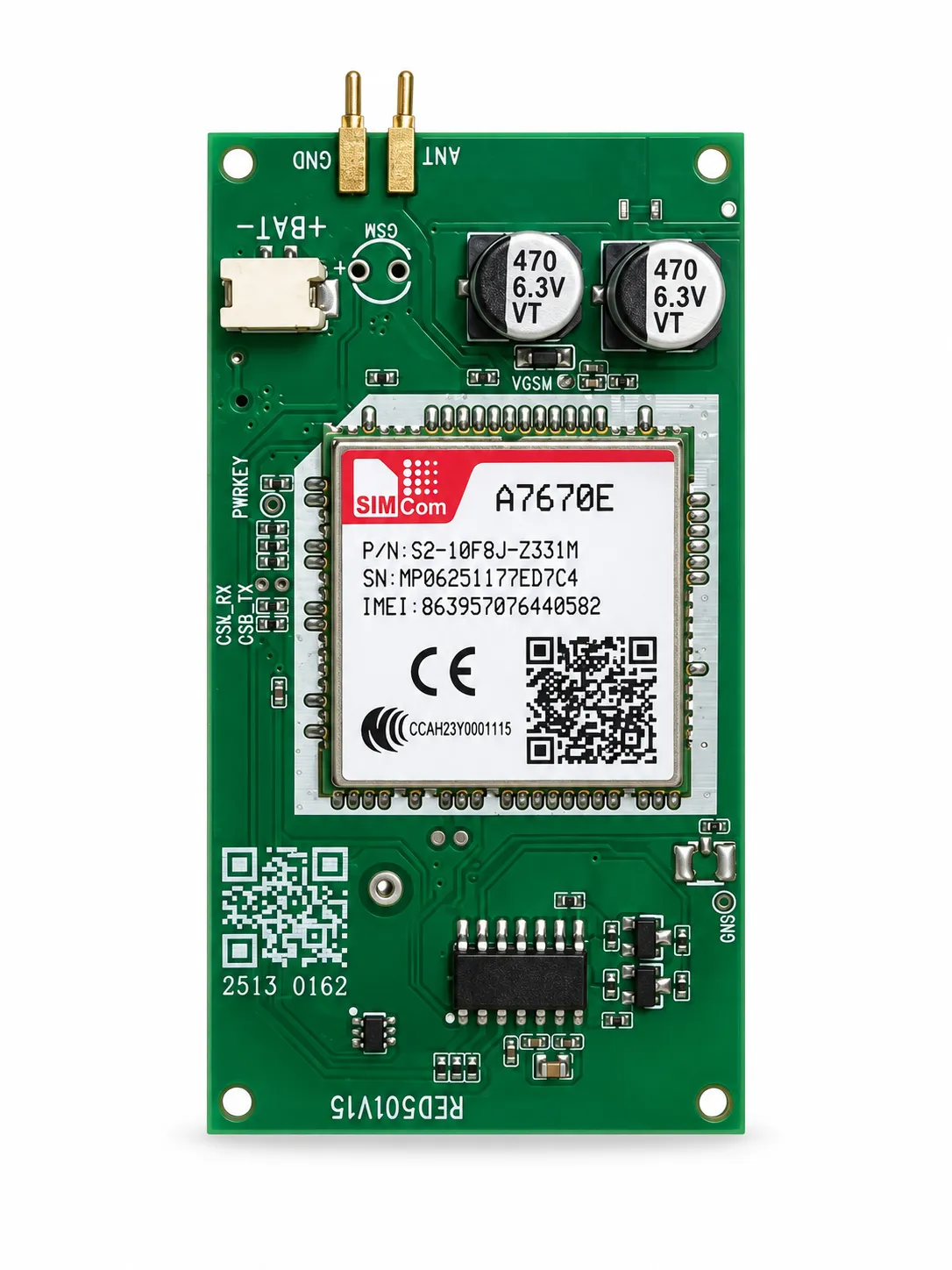
Shenzhen Jinshengchang Technology provides custom GPS tracker PCB design and complete hardware development services for vehicle trackers, asset trackers, personnel badges, livestock collars, electronic seals and other IoT positioning devices. Our engineering services cover product architecture, component selection, schematic design, multilayer PCB layout, GNSS and cellular antenna tuning, embedded firmware, prototype assembly, functional testing and mass-production PCBA.
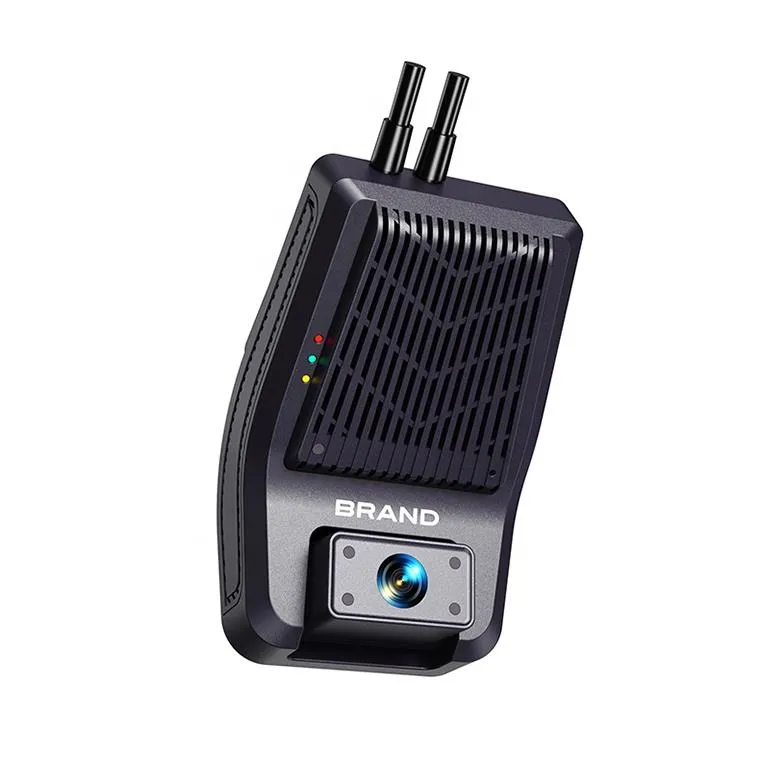
A compact 4G vehicle GPS video tracker combining real-time positioning, dash camera recording, live video monitoring and driving-event alerts. It is designed for commercial fleets, taxis, logistics vehicles, school buses and vehicle security applications.