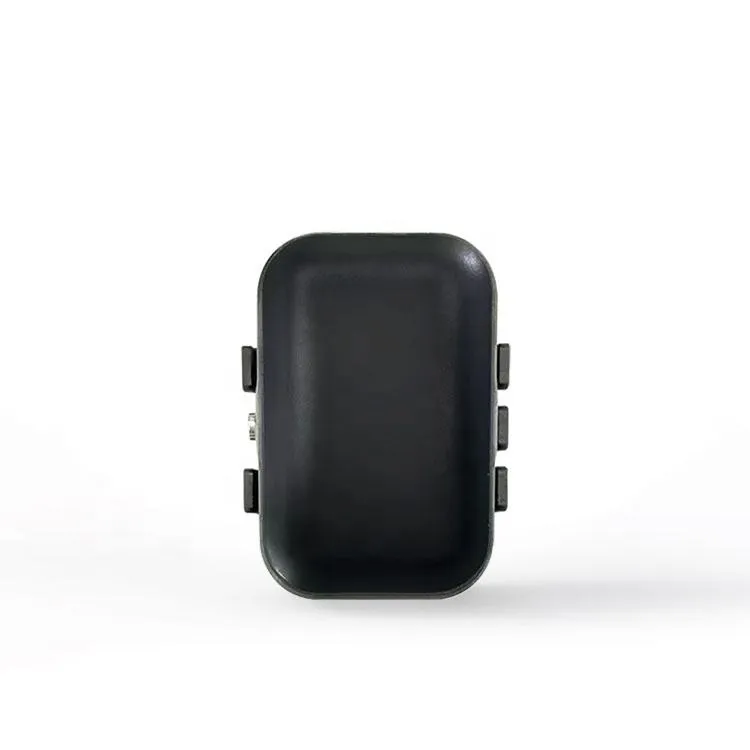
Custom pet GPS tracking solution for dogs and cats, including OEM tracking devices, real-time positioning, safe-zone alerts, activity monitoring, branded mobile apps, cloud platforms and API integration.
Custom Pet GPS Tracking Solution
A Custom Pet GPS Tracking Solution is more than a small location device attached to a collar. It is a complete connected system consisting of wearable hardware, positioning technology, wireless communication, a cloud platform, mobile applications and device-management services.
Shenzhen Jinshengchang Technology Co., Ltd. provides OEM and ODM pet tracking solutions for pet brands, distributors, telecom operators, insurance companies and digital pet-service providers. The solution can be customized for dogs, cats and other companion animals, covering hardware development, firmware, communication protocols, branded applications, private servers and API integration.
Pet GPS Tracker Hardware
The wearable tracker can be developed in different sizes, weights and attachment structures according to the target pet. A dog tracker may use a collar-mounted housing with a larger battery, while a cat tracker normally requires a smaller and lighter enclosure.
Available hardware customization can include rechargeable batteries, magnetic charging, waterproof housings, LED indicators, buzzers, buttons, movement sensors and customized collar attachments. The enclosure color, logo, packaging and accessories can also be adapted to the customer’s brand.
The final waterproof rating, battery capacity and enclosure dimensions should be confirmed according to the industrial design and product-testing requirements.
Multi-Mode Pet Positioning
Outdoor location tracking can use GPS and BDS satellite positioning. WiFi and LBS may provide supplementary location information when the pet is near buildings or in areas where satellite signals are weak.
Bluetooth can be added for close-range searching, home-zone detection or interaction with a mobile phone. Different positioning technologies can be combined according to the target accuracy, battery-life and product-cost requirements.
The application should distinguish between satellite, WiFi, Bluetooth and LBS locations so that users understand the expected accuracy of each positioning result.
Communication Options
The solution can be developed with 4G Cat.1, LTE-M, NB-IoT or LoRaWAN communication.
A cellular pet tracker is suitable for consumer markets requiring wide-area tracking through an operator network. It normally requires a SIM or eSIM and an active data service.
A LoRaWAN pet tracker is suitable for farms, parks, private communities or controlled areas with gateway coverage. The tracker itself does not require a cellular SIM card, but LoRaWAN gateways must be deployed and connected to the server.
Communication technology should be selected according to the target country, available frequency bands, coverage, data cost and expected battery life.
Real-Time Location and Lost-Pet Mode
Under normal operation, the tracker can report its location at a power-saving interval. If the pet leaves a safe zone or becomes lost, the owner can activate a higher-frequency tracking mode through the mobile application.
Because continuous GPS acquisition and frequent network transmission consume more power, lost-pet mode should be used only when necessary. The system can automatically return to a normal reporting interval after the pet is found or after a configured period.
This power-management strategy improves the balance between everyday battery life and emergency location updates.
Electronic Safe Zones
Pet owners can create circular or polygonal safe zones around a home, garden, park or other familiar area. When the tracker detects that the pet has entered or left the configured zone, the platform generates an alert and delivers it through the mobile application.
Safe-zone performance depends on the selected positioning technology, reporting interval and signal environment. The system should apply suitable filtering to reduce repeated or false alerts near a boundary.
Route and Activity Records
The platform can store historical locations and display the pet’s movement route for a selected period. Owners can use route records to understand where a pet has travelled and when it returned to a safe area.
An integrated movement sensor can also collect activity data. According to the selected algorithm, the application may present activity duration, movement level or daily trends. These values should be described as activity references rather than medical diagnoses unless the complete product has passed the required medical validation.
White-Label Pet Tracking Application
The Android and iOS applications can be customized with the customer’s brand name, logo, colors, languages and contact information.
Standard functions can include account registration, tracker binding, real-time location, safe-zone management, historical routes, battery status, device settings and push notifications. Subscription management, distributor accounts and service renewal can be developed according to the customer’s commercial model.
The solution can support multiple languages for brands operating in international markets.
Cloud Platform and API
The cloud platform manages user accounts, pet profiles, tracker information, location records, alarms and service status. Authorized administrators can monitor device activation, online status, battery condition and communication performance.
For customers with an existing pet application or business platform, device data can be delivered through an API. Customized communication protocols and private server deployment are also available for projects requiring independent data control.
OEM and ODM Development Process
The project begins by confirming the target market, animal type, expected tracker size, positioning technology, communication network, battery-life target and software requirements.
After the specification is agreed upon, the development process can include industrial design, electronic design, firmware development, prototype production, application customization, platform integration, field testing and pilot manufacturing.
Certification requirements such as CE, FCC, RoHS, cellular approvals and battery transportation testing should be confirmed according to the countries where the finished product will be sold.
Suitable Customers
This custom pet GPS tracking solution is suitable for pet-product brands, GPS tracker distributors, telecom operators, pet insurance providers, animal service companies, smart-collar developers and businesses planning to launch their own pet location service.
Customers can select a complete solution consisting of the tracker, firmware, mobile application and cloud platform, or integrate customized pet GPS hardware into an existing software ecosystem.