Hardware & PCB design
PCB, enclosure, connectors, antenna and power design are reviewed against the installation and operating requirements.

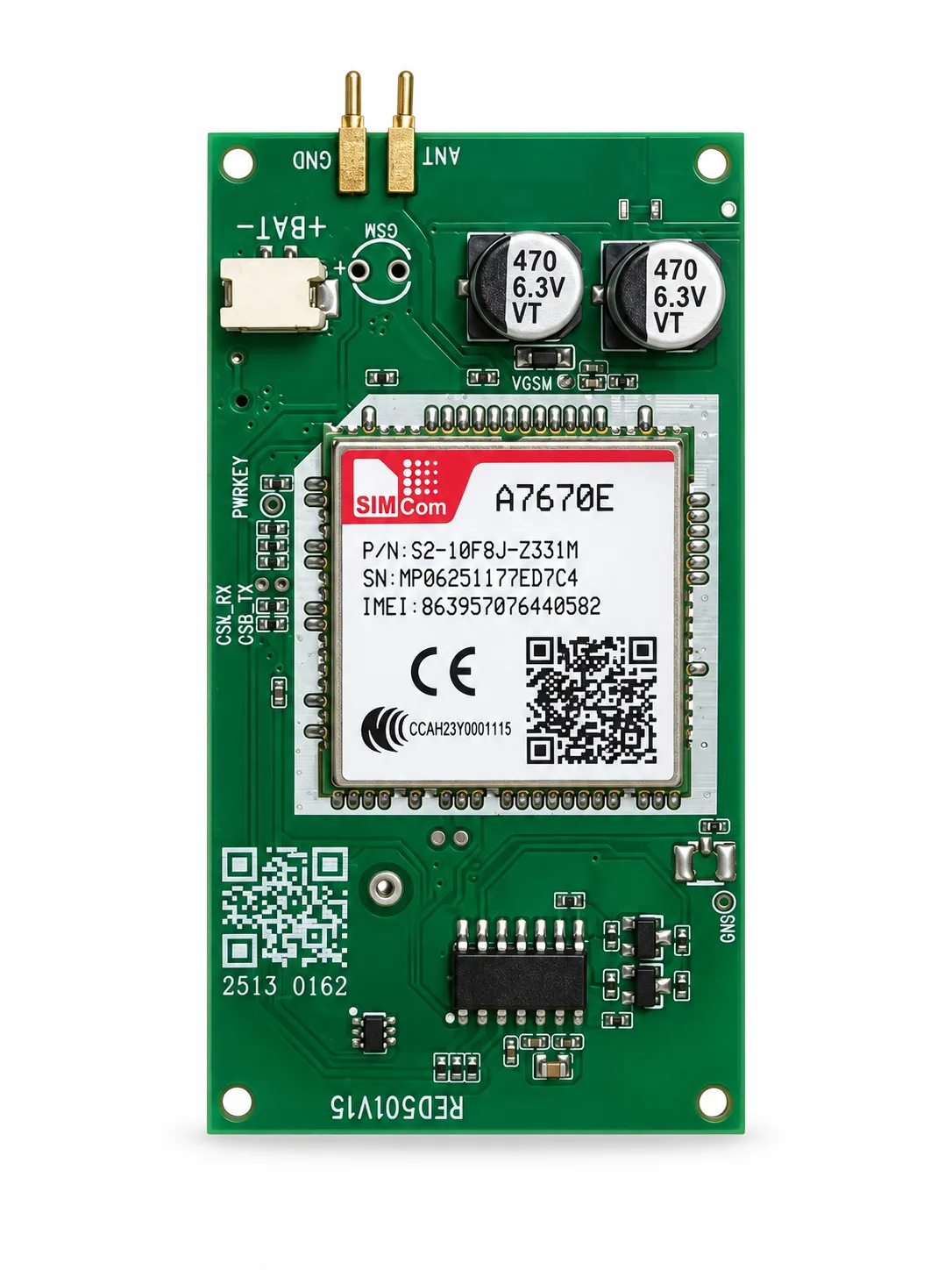
Shenzhen Jinshengchang Technology provides custom GPS tracker PCB design and complete hardware development services for vehicle trackers, asset trackers, personnel badges, livestock collars, electronic seals and other IoT positioning devices. Our engineering services cover product architecture, component selection, schematic design, multilayer PCB layout, GNSS and cellular antenna tuning, embedded firmware, prototype assembly, functional testing and mass-production PCBA.
Final pricing depends on configuration, quantity, taxes and shipping.
Sample availability, quantity and lead time depend on the selected model. Confirm the pilot scope before placing a production order.
Custom GPS Tracker PCB Design is a complete engineering service for companies that need a new positioning product rather than a standard off-the-shelf tracker. The service transforms an initial product concept into a manufacturable GPS tracking device with customized hardware, firmware, communication protocol and mechanical integration.
The development process begins with a detailed analysis of the intended application. A vehicle tracker may require wide-voltage input, ACC detection, relay control and automotive protection circuits. A wearable GPS tracker may prioritize compact dimensions, low weight, SOS functionality and efficient charging. An asset tracker may require an extremely low sleep current, a large battery, tamper detection and IP67 or IP68 protection. These differences must be considered before the schematic and PCB layout are created.
The PCB can integrate GPS, BDS, GLONASS or Galileo positioning with 4G LTE, LTE Cat 1, LTE-M, NB-IoT, LoRa, Wi-Fi or Bluetooth communication. Sensors such as accelerometers, temperature sensors, Hall switches and light sensors can be included according to the required functions. Optional interfaces allow the device to connect with relays, fuel sensors, external temperature probes, RS485 equipment or vehicle CAN systems.
Low-power design is a critical part of GPS tracker development. Our engineers optimize the power architecture, module sleep modes, wake-up logic, positioning frequency and data reporting strategy according to the required battery life. The design can support rechargeable batteries, high-capacity primary batteries, vehicle power supplies or solar charging systems.
RF and antenna performance are also evaluated as part of the hardware design. The position of the battery, enclosure, PCB ground plane and surrounding metal components can affect GNSS and cellular reception. Antenna matching and practical enclosure testing help improve positioning speed, network stability and communication range.
After the schematic and PCB layout are completed, prototypes are assembled for hardware debugging and firmware development. The prototype is tested for positioning, network registration, data transmission, charging, power consumption, sensor functions and alarm logic. Identified problems are corrected before pilot production, reducing the risk of expensive modifications during mass production.
Shenzhen Jinshengchang Technology has 13 years of GPS research and development experience and supports custom hardware, embedded firmware, communication protocols, tracking platforms, mobile applications and API integration. Customers can commission an entire GPS tracking product or request support for a specific stage, including schematic design, PCB layout, antenna tuning, firmware development, prototype manufacturing or PCBA production.
Reference configurations are shown below. Final specifications are confirmed in the approved product specification.
| Positioning | GPS, BDS, GLONASS and Galileo options. |
|---|---|
| Assisted Positioning | AGPS, Wi-Fi positioning, Bluetooth beacon positioning and LBS. |
| Communication | 2G, 4G LTE, LTE Cat 1, LTE-M, NB-IoT or LoRa. |
| Processor | Low-power MCU or cellular communication module with integrated processing. |
| PCB Design | Two-layer, four-layer or multilayer PCB according to product requirements. |
| Power Supply | Rechargeable lithium battery, disposable battery, vehicle power or solar charging. |
| Charging Options | USB Type-C, magnetic charging, contact charging or solar charging circuit. |
| Interfaces | UART, I²C, SPI, ADC, GPIO, USB, CAN, RS232 and RS485 as required. |
| Sensors | Accelerometer, gyroscope, temperature, humidity, light, Hall and tamper sensors. |
| Alarm Functions | SOS, vibration, movement, speeding, geofence, low battery and device removal alerts. |
| Antenna Design | Internal or external GNSS, LTE, Bluetooth, Wi-Fi and LoRa antennas. |
| Data Protocol | TCP, UDP, MQTT, HTTP, HTTPS or customized private protocol. |
| Firmware Upgrade | Local upgrade or FOTA remote firmware upgrade. |
| Environmental Design | ESD protection, surge protection, reverse-polarity protection and power filtering. |
| Production Services | Component sourcing, SMT assembly, PCBA testing, firmware flashing and final assembly. |
Requirement Analysis: Confirm the application, target market, dimensions, positioning accuracy, network, battery life, sensors and cost target.
Architecture Design: Select the GNSS module, communication module, MCU, power circuit, sensors and antenna solution.
Schematic Design: Complete the power supply, communication, positioning, sensor, protection and interface circuits.
PCB Layout: Optimize component placement, RF routing, power integrity, signal integrity and enclosure compatibility.
Prototype Production: Manufacture prototype PCBs, assemble components and load the initial firmware.
Engineering Verification: Test positioning performance, communication stability, power consumption, charging and alarm functions.
Antenna Tuning: Measure and optimize GNSS and wireless antenna performance inside the actual enclosure.
Pilot Production: Verify assembly procedures, test fixtures, firmware programming and production consistency.
Mass Production: Provide component procurement, SMT, PCBA testing, final assembly and quality inspection.
Define the application, country, quantity, reporting interval and target battery life.
Agree the device, network, power system, payload and platform interfaces.
Test representative devices, coverage, power consumption and alarm delivery on site.
Approve the specification and pilot results, then plan production, installation and support.
PCB, enclosure, connectors, antenna and power design are reviewed against the installation and operating requirements.
Reporting intervals, event logic, payload encoding and remote configuration are defined in a versioned interface document.
Device registration, maps, history, alarms and customer APIs are scoped together with access permissions and data handling.
Logo, enclosure color, labels, packaging and white-label interfaces can be assessed for the selected product and order quantity.
Sample availability, quantity and lead time depend on the selected model. Confirm the pilot scope before placing a production order.
Logo, packaging, firmware, payloads and API integration can be assessed within the agreed OEM / ODM scope.
Reporting interval, installation, radio conditions and temperature affect results. Confirm the operating profile and validate it during the pilot.
Share the country, device quantity, application, network, power target and platform requirements. Include drawings or interface documents when available.
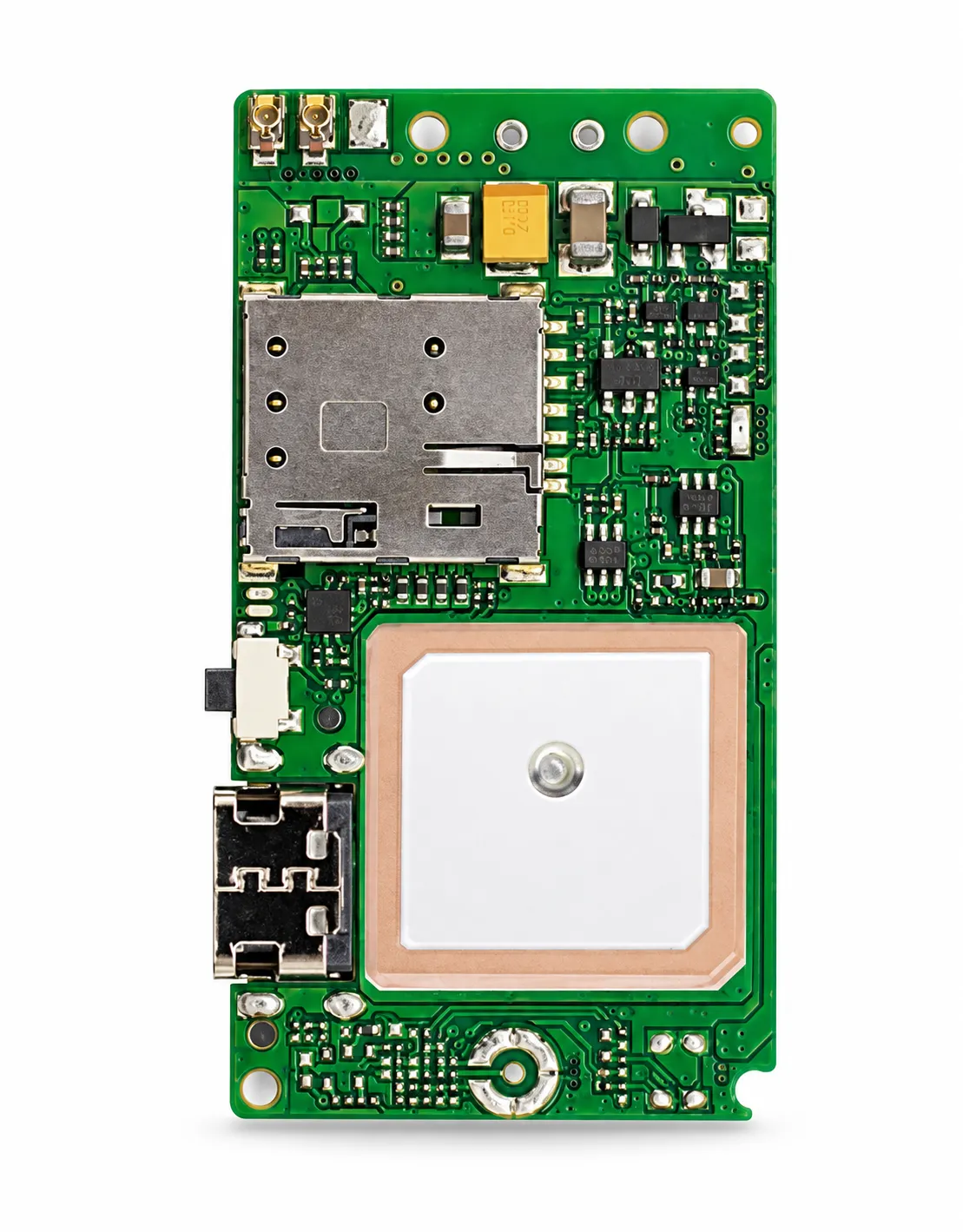
Low Power Pet GPS Tracker Design is a customized hardware and software development service for dog trackers, cat trackers and smart pet collars. Shenzhen Jinshengchang Technology provides compact PCB design, low-power firmware, GNSS positioning, wireless communication, antenna optimization, waterproof enclosure development, mobile APP integration, prototyping and mass production. Each solution can be customized according to product size, battery capacity, target market, tracking frequency and expected operating time.
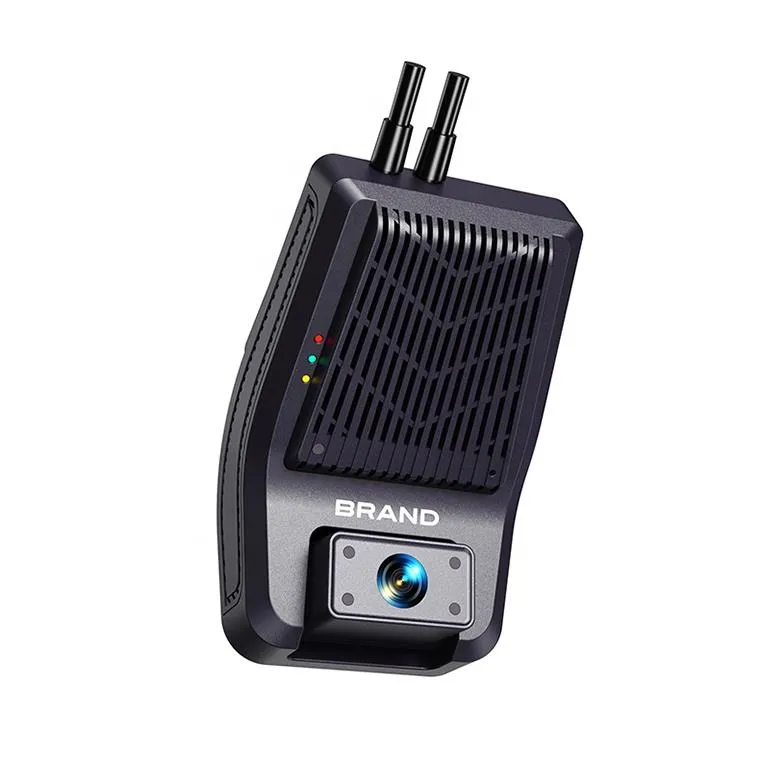
A compact 4G vehicle GPS video tracker combining real-time positioning, dash camera recording, live video monitoring and driving-event alerts. It is designed for commercial fleets, taxis, logistics vehicles, school buses and vehicle security applications.