Hardware & PCB design
PCB, enclosure, connectors, antenna and power design are reviewed against the installation and operating requirements.

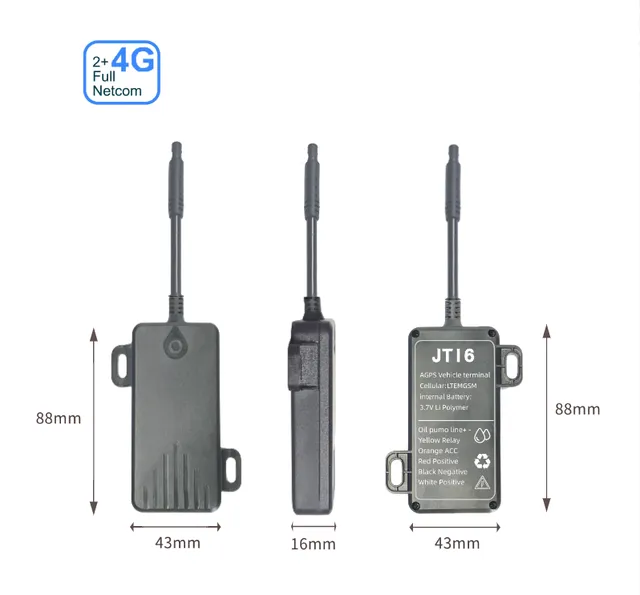
4G Fuel Monitoring GPS Tracker designed for trucks, commercial vehicles, construction machinery and fleet management. It combines real-time GPS/BeiDou positioning with fuel level monitoring and supports RS232/RS485 fuel sensors, fuel consumption records, refueling detection, abnormal fuel drop alerts, ACC detection, geo-fencing and historical routes. OEM/ODM, API integration and private server deployment are available for fleet and telematics projects.
Final pricing depends on configuration, quantity, taxes and shipping.
Sample availability, quantity and lead time depend on the selected model. Confirm the pilot scope before placing a production order.
The Fuel Monitoring GPS Tracker is a professional 4G vehicle telematics device designed to combine real-time GPS tracking, fuel level monitoring, fuel consumption management and vehicle status monitoring in one system.
By connecting the GPS tracker to a compatible capacitive or ultrasonic fuel level sensor, fleet operators can remotely monitor vehicle location and fuel changes through a web platform or mobile application. The system can record refueling events, abnormal fuel drops, historical fuel curves, vehicle routes, mileage and ACC status, helping companies improve fleet visibility and reduce unnecessary fuel losses.
This solution is suitable for trucks, logistics fleets, construction machinery, mining vehicles, buses, heavy equipment and other commercial vehicles.
Traditional GPS trackers mainly provide vehicle location and route information. For commercial fleets, however, knowing where a vehicle is located is only part of fleet management.
Our 4G Fuel Monitoring GPS Tracker can receive data from an external fuel level sensor while simultaneously collecting GNSS positioning and vehicle status information.
The system can monitor:
All information can be transmitted through the 4G network to a centralized fleet management platform.
The tracker can be configured with RS232, RS485 or other interfaces for different fuel monitoring projects.
Depending on the vehicle and fuel tank structure, the system can work with different compatible sensors.
A capacitive sensor is commonly installed inside the fuel tank to continuously measure changes in fuel level.
It can be used for trucks, buses, construction equipment, generators and other vehicles or machinery requiring continuous fuel monitoring.
An ultrasonic sensor can be mounted externally on a compatible fuel tank.
This type of installation can be useful for projects where minimizing modification of the fuel tank is important.
Sensor selection should be based on the tank material, tank shape, installation environment and required measurement performance.
Unexpected fuel loss can create significant operating costs for large fleets.
When a properly installed and calibrated fuel sensor detects a rapid reduction in fuel level, the platform can record the event as an abnormal fuel change.
For example:
Vehicle Parked → Sudden Fuel Drop → Abnormal Fuel Event → Platform Alert
Fleet managers can review the corresponding time, GPS location, vehicle information and fuel-level change to investigate the event.
This makes the device particularly useful as a GPS tracker with fuel theft monitoring for commercial fleets.
The system can also identify significant increases in fuel level.
A refueling event can be associated with information such as:
Fleet operators can use these records together with internal fuel receipts and operational records to improve fuel management.
The tracking platform can display historical fuel data as reports or fuel-level curves.
Managers can compare:
Vehicle Route + Mileage + Fuel Level + Refueling + Fuel Drop Events
This provides more useful operational information than a conventional vehicle GPS tracker alone.
For large fleets, vehicles can be grouped by company, department, project, fleet or vehicle type, allowing centralized management of multiple vehicles.
The Fuel Monitoring GPS Tracker can be used in a wide range of commercial applications, including:
Logistics Trucks – Monitor vehicle routes, mileage and fuel changes during transportation.
Long-Haul Fleets – Centralize vehicle and fuel information for trucks operating over long distances.
Construction Machinery – Monitor excavators, loaders, cranes and other diesel-powered equipment.
Mining Vehicles – Track vehicle movement and fuel usage in large mining operations.
Buses and Coaches – Combine fleet positioning with fuel management.
Heavy Equipment – Monitor mobile machinery and compatible diesel fuel tanks.
Fleet Management Companies – Integrate fuel monitoring hardware into an existing telematics platform.
Vehicle and fuel information can be managed through a Web platform, Android/iOS application or customer-owned server.
For companies that already operate their own GPS tracking or fleet management platform, we can provide integration support according to the project requirements.
A typical system architecture is:
Fuel Level Sensor → 4G GPS Tracker → Cellular Network → Server → Fleet Management Platform
This architecture allows GPS tracking companies and system integrators to build their own branded fuel monitoring solutions.
We provide OEM and ODM GPS tracker development for distributors, fleet management companies, IoT solution providers and GPS platform operators.
Customization options can include:
For projects requiring special vehicle interfaces, multiple sensors or additional I/O, the hardware and firmware can also be evaluated for customization.
The product is designed not only as a vehicle positioning terminal but as a complete GPS and fuel monitoring hardware solution.
By combining 4G connectivity, GNSS positioning, fuel level sensor integration, vehicle status monitoring and fleet management software, customers can deploy one system for both vehicle tracking and fuel management.
Whether you need a Fuel Monitoring GPS Tracker for trucks, a GPS tracker with fuel sensor, or customized hardware for a large fleet project, we can provide hardware development, firmware customization, protocol integration and OEM/ODM manufacturing support.
Reference configurations are shown below. Final specifications are confirmed in the approved product specification.
| Product Name | Fuel Monitoring GPS Tracker |
|---|---|
| Product Type | 4G Vehicle GPS Tracker with Fuel Monitoring |
| Network | 4G LTE Cat.1 |
| 2G Backup | Optional according to regional network requirements |
| Positioning System | GPS / BeiDou / GNSS |
| Positioning Accuracy | Typically 5–10 m under open-sky conditions |
| Communication Protocol | TCP/IP |
| Fuel Monitoring | Supported |
| Fuel Sensor Interface | RS232 / RS485 / Analog optional |
| Fuel Sensor Type | Capacitive / Ultrasonic / Compatible Third-Party Fuel Sensor |
| Fuel Level Monitoring | Supported |
| Fuel Consumption Records | Supported |
| Fuel Drop Detection | Supported |
| Refueling Detection | Supported |
| ACC Detection | Supported |
| Vehicle Speed Monitoring | Supported |
| Mileage Calculation | Supported |
| Geo-Fence | Supported |
| Historical Route | Supported |
| Parking Records | Supported |
| Overspeed Alarm | Supported |
| Power Cut Alarm | Supported |
| Vibration Alarm | Optional |
| Digital Input | Optional |
| Digital Output | Optional |
| Relay Output | Optional |
| Backup Battery | Optional |
| Offline Data Storage | Supported |
| Blind-Area Data Retransmission | Supported |
| SIM Card | Nano SIM / Micro SIM depending on hardware version |
| Vehicle Power Supply | Wide-voltage input, customizable by model |
| Platform | Web / Android / iOS |
| API Integration | Supported |
| Private Server | Supported |
| Protocol Customization | Supported |
| Firmware Customization | Supported |
| OEM / ODM | Supported |
Step 1: Install the GPS tracker in a protected and concealed position inside the vehicle.
Step 2: Connect the tracker to the vehicle power supply according to the wiring diagram.
Step 3: Connect the ACC wire to detect vehicle ignition ON/OFF status.
Step 4: Select a compatible capacitive or ultrasonic fuel level sensor according to the fuel tank structure.
Step 5: Install the fuel sensor according to the sensor installation requirements.
Step 6: Connect the fuel sensor to the GPS tracker through RS232, RS485 or the configured interface.
Step 7: Install the SIM card and configure the APN, server IP, port and communication parameters.
Step 8: Add the GPS tracker to the fleet management platform.
Step 9: Configure the corresponding fuel sensor type and communication parameters.
Step 10: Perform fuel tank calibration according to the tank capacity and shape.
Step 11: Verify empty, partial and full-tank fuel readings before normal operation.
Step 12: Test real-time GPS positioning, ACC status and vehicle movement data.
Step 13: Perform a controlled refueling test and confirm that the platform records the fuel increase.
Step 14: Perform a controlled fuel-drop test and verify abnormal fuel reduction alerts.
Step 15: Verify historical routes, mileage, fuel curves and fuel consumption reports.
Step 16: Complete a road test before large-scale fleet deployment.
Define the application, country, quantity, reporting interval and target battery life.
Agree the device, network, power system, payload and platform interfaces.
Test representative devices, coverage, power consumption and alarm delivery on site.
Approve the specification and pilot results, then plan production, installation and support.
PCB, enclosure, connectors, antenna and power design are reviewed against the installation and operating requirements.
Reporting intervals, event logic, payload encoding and remote configuration are defined in a versioned interface document.
Device registration, maps, history, alarms and customer APIs are scoped together with access permissions and data handling.
Logo, enclosure color, labels, packaging and white-label interfaces can be assessed for the selected product and order quantity.
Sample availability, quantity and lead time depend on the selected model. Confirm the pilot scope before placing a production order.
Logo, packaging, firmware, payloads and API integration can be assessed within the agreed OEM / ODM scope.
Reporting interval, installation, radio conditions and temperature affect results. Confirm the operating profile and validate it during the pilot.
Share the country, device quantity, application, network, power target and platform requirements. Include drawings or interface documents when available.
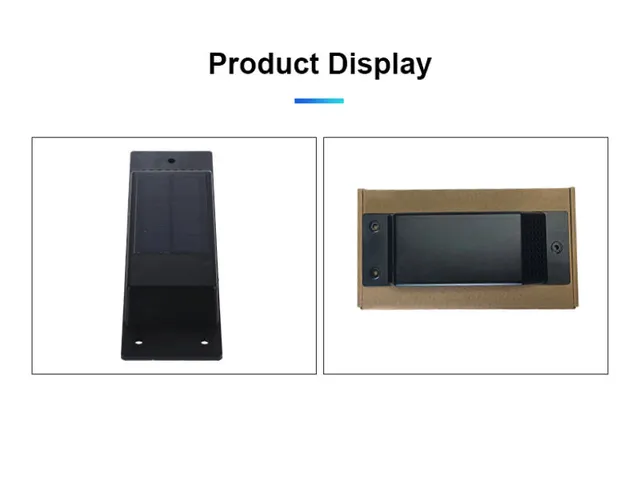
A rugged 4G GPS tracking device designed for shipping containers, cargo, trailers and high-value logistics assets. It combines GNSS positioning, cellular communication, low-power operation, movement detection, geofencing and remote device management for long-distance cargo monitoring.
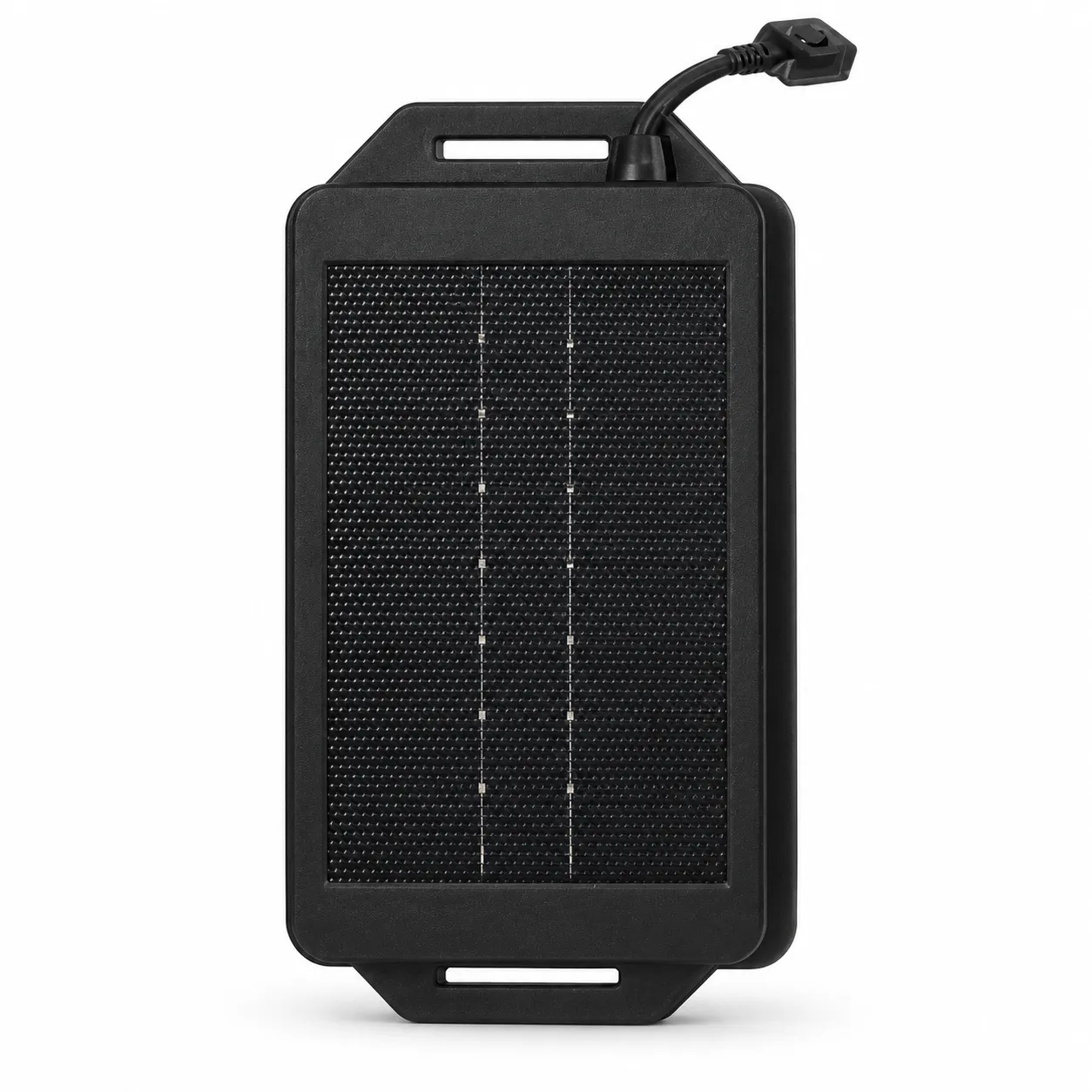
A solar-powered GPS tracker designed for outdoor assets that remain in the field for extended periods. It combines scheduled location reporting with solar-assisted charging to help operators monitor equipment, trailers and containers across multiple sites.
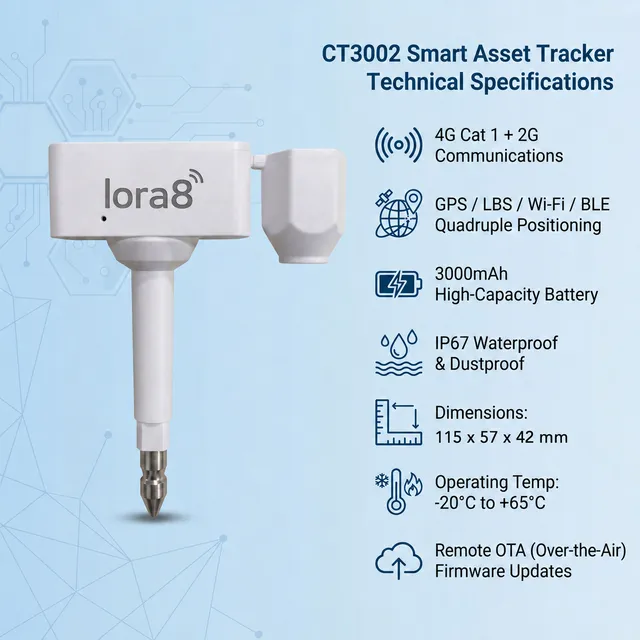
wechatgps develops GPS electronic seal solutions for cargo and container monitoring. The device concept combines location reporting with electronic seal status records, helping logistics operators review where a shipment traveled and whether a seal event occurred. Hardware, communication, and platform functions can be evaluated for each project.