Hardware & PCB design
PCB, enclosure, connectors, antenna and power design are reviewed against the installation and operating requirements.

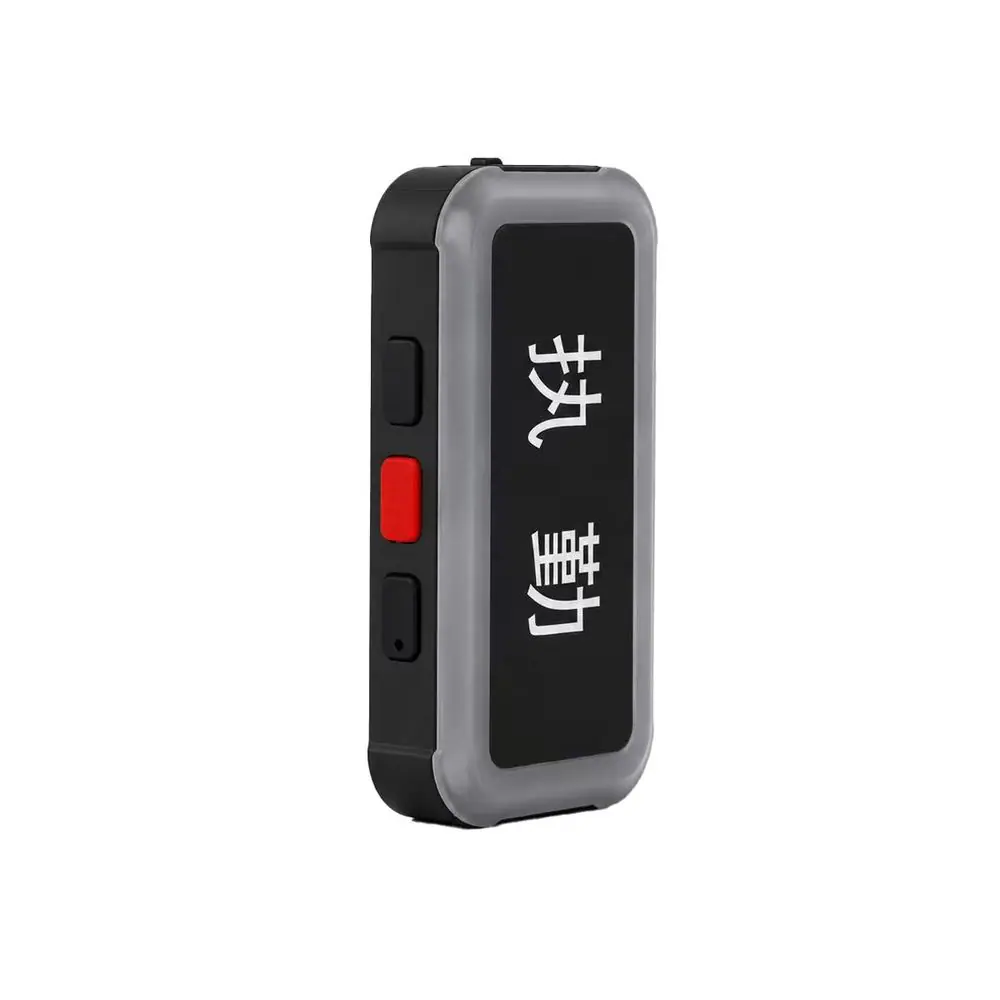
The GPS Shoulder Light Tracker is a compact wearable safety and positioning device for patrol officers, security guards, road workers and field personnel. It combines GPS, BeiDou, WiFi and LBS positioning with 4G Cat.1 communication, BLE 5.1 and a high-visibility LED matrix display. Managers can monitor personnel locations, online status and movement history through a web platform or mobile application.
Final pricing depends on configuration, quantity, taxes and shipping.
Sample availability, quantity and lead time depend on the selected model. Confirm the pilot scope before placing a production order.
The GPS Shoulder Light Tracker is designed for organizations that need both personnel visibility and location management. Unlike an ordinary flashing shoulder lamp, this product integrates satellite positioning, cellular communication, Bluetooth and an LED matrix display into a small wearable device.
The tracker supports GPS and BeiDou for outdoor positioning, while WiFi and LBS provide supplementary location references in areas where satellite signals are weak. Its outdoor positioning accuracy can reach less than 10 meters under suitable conditions. With 4G Cat.1 communication, location and operating data can be transmitted to a remote monitoring platform.
Supervisors can use the PC platform or mobile application to view the latest personnel location, check device status, review historical routes and manage electronic geofences. The reporting interval can be configured to balance tracking frequency, data usage and battery operating time.
The LED matrix display improves visibility during night patrols, traffic control, road maintenance and emergency operations. Its compact 68 × 30 × 20.5 mm housing can be attached to a uniform, reflective vest or shoulder strap without interfering with normal work.
This wearable GPS shoulder tracker is suitable for security companies, traffic management departments, construction contractors, railway operators, factories, municipal service teams and emergency response organizations. It can help replace manual attendance records, improve field personnel dispatching and provide traceable movement data.
Shenzhen Jinshengchang Technology Co., Ltd. provides OEM and ODM development for GPS Shoulder Light Tracker projects. Available services include customized branding, housing development, LED display content, firmware functions, server protocols, API integration and white-label GPS tracking platforms.
Reference configurations are shown below. Final specifications are confirmed in the approved product specification.
| 4G Network | 4G Cat.1 |
|---|---|
| Frequency Bands | LTE-TDD B34/B38/B39/B40/B41; LTE-FDD B1/B3/B5/B8 |
| Positioning | BeiDou + GPS + AGPS + WiFi + Bluetooth + LBS |
| RTK | Single BeiDou / BDS+GPS dual-frequency RTK (optional) |
| Outdoor Accuracy | 10 cm - 10 m |
| Indoor Accuracy | Approx. 300 m (WiFi / LBS) |
| Cold Start | < 30 s |
| Positioning Frequency | 1s / 2s / 5s / 10s / 15s / 30s / 60s / 120s |
| Data Upload | Every 3 minutes by default (configurable) |
| Warning Light | 2 x 3 red + 2 x 3 blue LED, switchable modes |
| Battery | 3.8 V 1100 mAh polymer lithium |
| Working Time | >= 20 hours @ 15 s reporting |
| Standby Time | >= 3 days |
| Charging | < 3.5 hours, Type-C 5V/1A |
| Current | <= 60 mA working / <= 5 μA standby |
| Buttons | Power, Function, Flash |
| Audio | TTS playback, MIC two-way call |
| Protocols | JT808, NTRIP, private protocol |
| Wearing Method | Alligator clip |
| Dimensions | 79.9 x 39.5 x 16.5 mm |
| Weight | 68 g |
| Material | PC + ABS |
| Waterproof | IP65 (IP66 with sealed SIM slot) |
| Working Temperature | -20°C to 65°C |
| SIM Card | 1 x Nano SIM |
SIM Card Preparation: Install an activated SIM card that supports the required 4G frequency bands
Device Registration: Add the device ID and SIM information to the tracking platform
Server Configuration: Set the server IP address, port, APN and communication protocol
Personnel Binding: Assign each GPS Shoulder Light Tracker to a specific employee
Reporting Interval: Configure the location upload interval according to operational requirements
Geofence Setup: Create authorized, restricted or hazardous areas on the platform
Wearing Position: Attach the device securely to the shoulder, uniform or reflective vest
Initial Positioning: Test the device outdoors with a clear view of the sky
Platform Verification: Check positioning, online status, route history and battery information
Charging Management: Fully charge each device before daily or shift-based use
Batch Deployment: Import multiple device IDs and employee records for centralized management
API Integration: Connect the device data to an existing personnel management system when required
Define the application, country, quantity, reporting interval and target battery life.
Agree the device, network, power system, payload and platform interfaces.
Test representative devices, coverage, power consumption and alarm delivery on site.
Approve the specification and pilot results, then plan production, installation and support.
PCB, enclosure, connectors, antenna and power design are reviewed against the installation and operating requirements.
Reporting intervals, event logic, payload encoding and remote configuration are defined in a versioned interface document.
Device registration, maps, history, alarms and customer APIs are scoped together with access permissions and data handling.
Logo, enclosure color, labels, packaging and white-label interfaces can be assessed for the selected product and order quantity.
Sample availability, quantity and lead time depend on the selected model. Confirm the pilot scope before placing a production order.
Logo, packaging, firmware, payloads and API integration can be assessed within the agreed OEM / ODM scope.
Reporting interval, installation, radio conditions and temperature affect results. Confirm the operating profile and validate it during the pilot.
Share the country, device quantity, application, network, power target and platform requirements. Include drawings or interface documents when available.
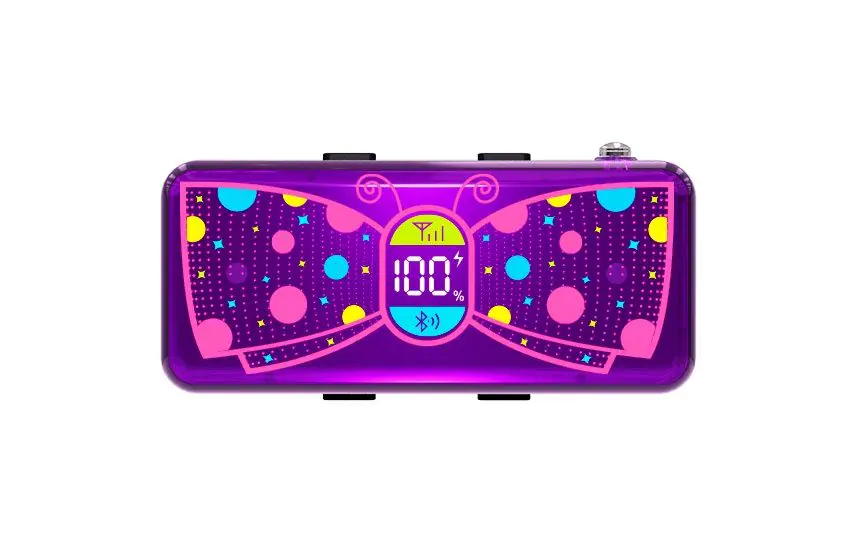
The GPS Shoulder Warning Light combines high-visibility LED warning, real-time personnel tracking and emergency communication in one compact wearable device. It supports GPS positioning, 4G connectivity, SOS alarms, electronic geofencing and historical route playback, making it suitable for security patrols, traffic control, construction sites, railway maintenance and lone-worker protection.
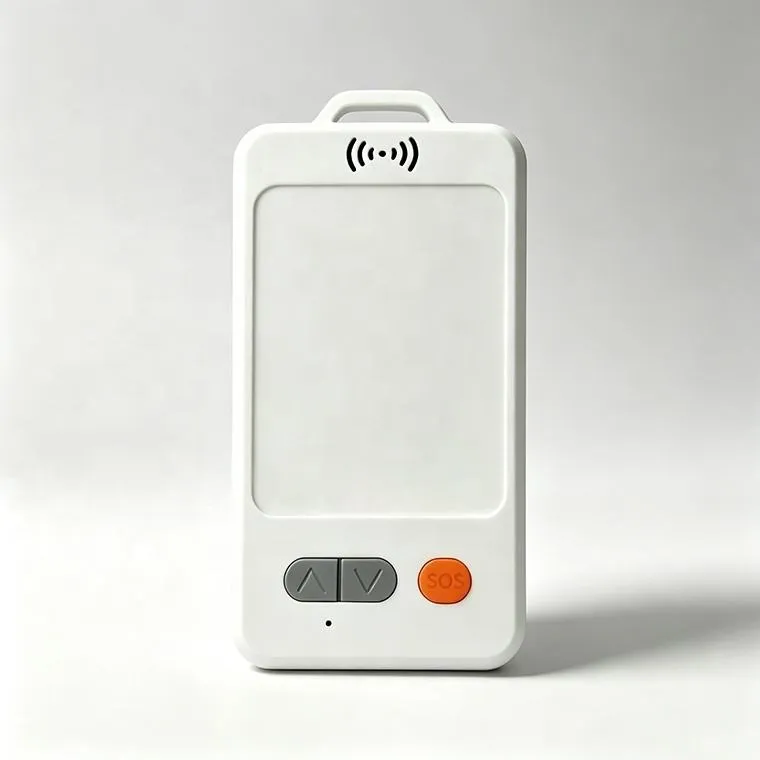
The JSC-802 is a wearable 4G employee badge that gives control centers live workforce visibility, rapid SOS notification, location history, and zone-based safety monitoring for industrial and field operations.
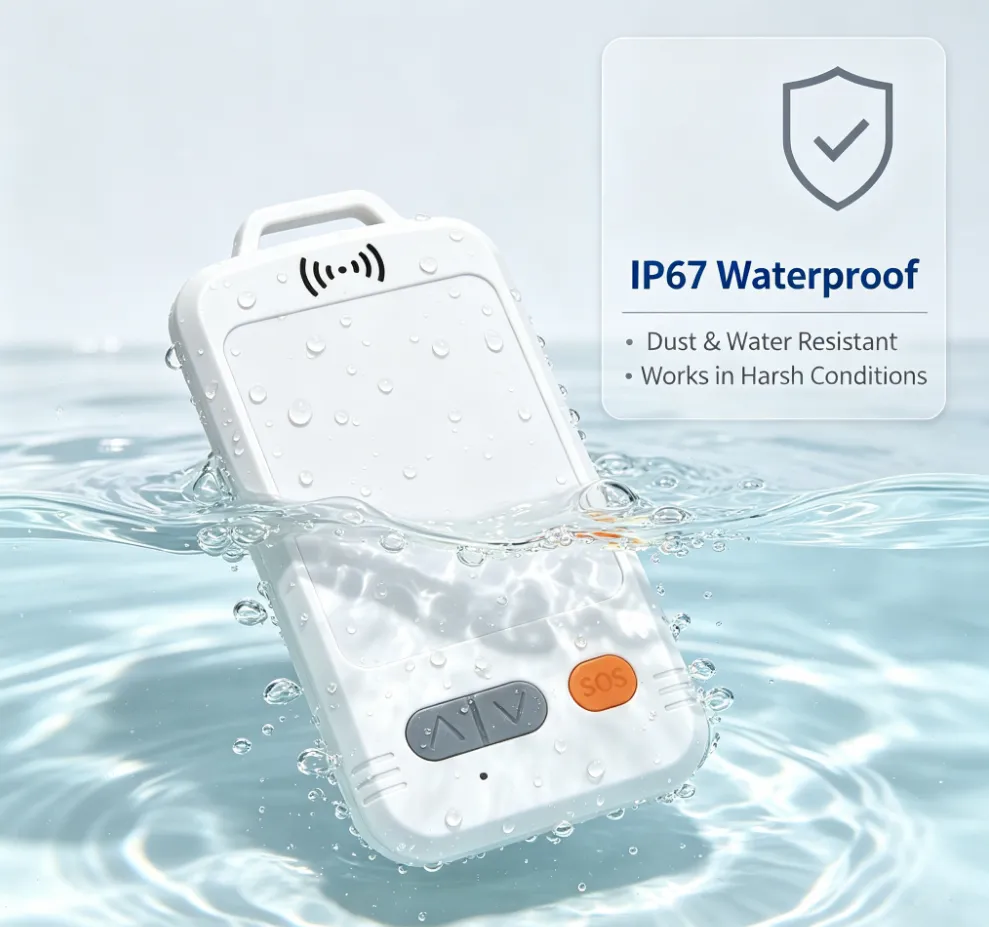
The JSC-802 is a wearable 4G GPS personnel badge designed for employee tracking, lone-worker protection, emergency response, and workforce safety management. It supports real-time positioning, SOS alerts, geofencing, historical route playback, and remote monitoring through mobile and web platforms.